
Unique Greenery Spots You Need to Visit in NYC
Beyond the icons like Central Park and Prospect Park, New York City has this quiet obsession with tucking little pockets of greenery in wherever it can — small, unexpected spaces to rest and breathe in the middle of all that concrete. Here are a few of my favorites worth seeking out. Grab a book, grab a friend, and just sit for a while.
Greenacre Park
🎟️ Free | 🕗 8 AM - 8 PM daily, until Fall is 8 AM - 7 PM | 📍 Midtown East, Manhattan
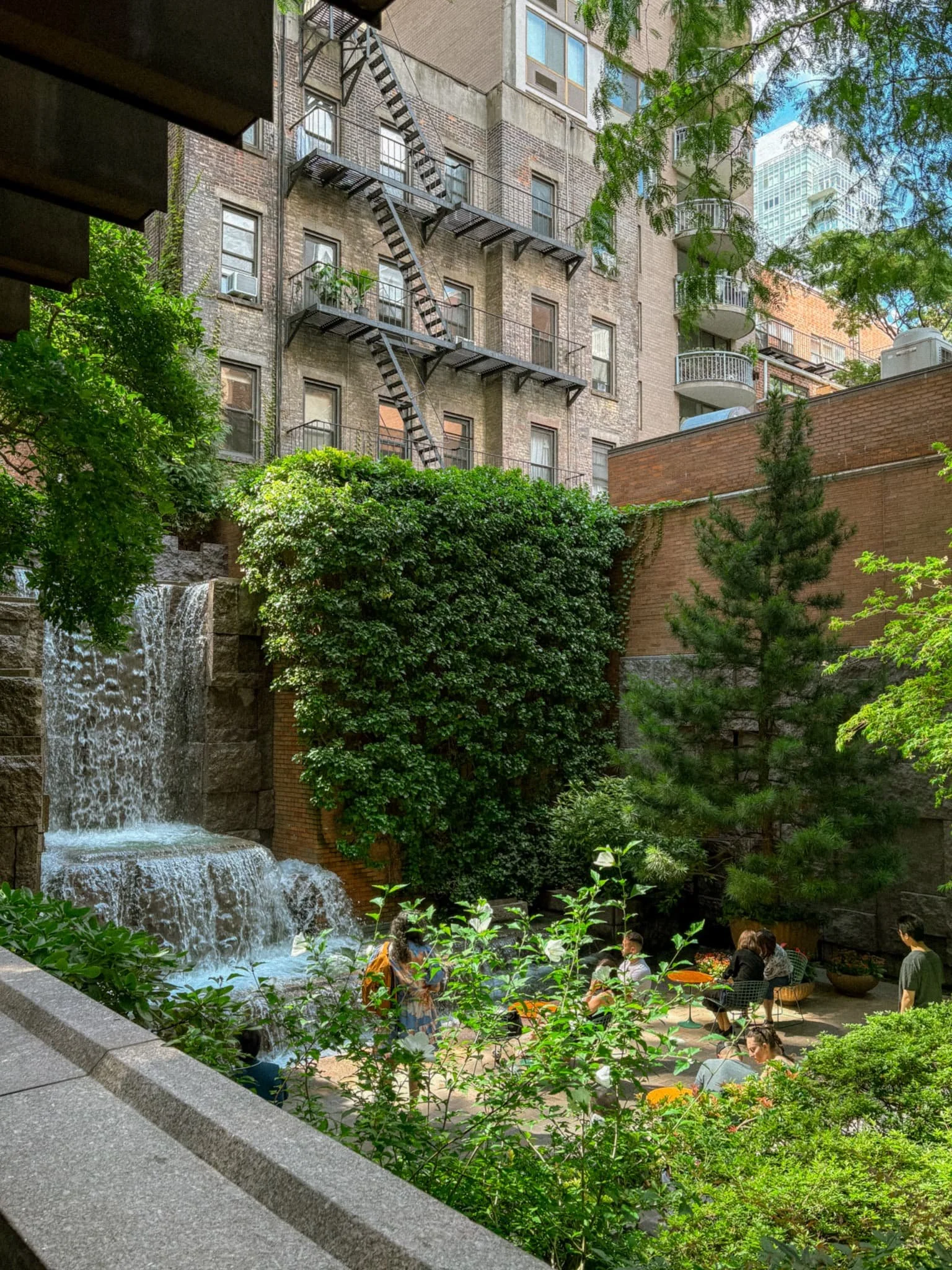
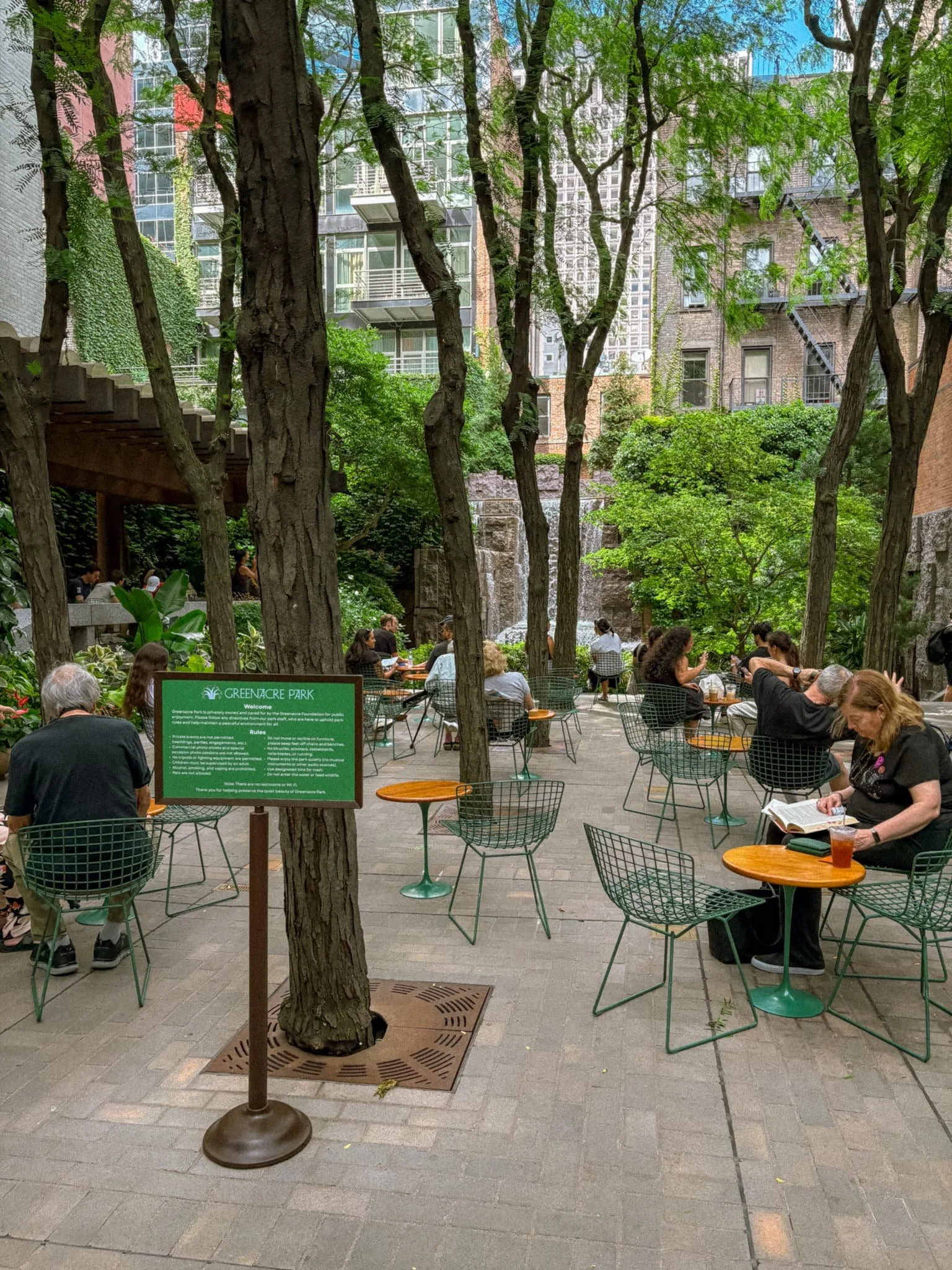
I love finding little pocket parks like this, the kind of spot you stumble on right when the city's noise and chaos start to feel like a bit too much, and suddenly there's a quiet patch of greenery waiting for you. This one's my favorite of them all, mostly because of the manmade waterfall tucked into the back wall.
Greenacre Park exists because of Abby Rockefeller Mauzé. Inspired by the creation of Paley Park nearby, she noticed how few real green spaces Midtown actually had — despite being a resident there herself — and wanted to do something about it. In 1968, she founded the Greenacre Foundation as a way to give back to the neighborhood she loved, with the goal of creating a space where people could find a little peace in the middle of the city's chaos. The park opened to the public on October 14, 1971.
As New York has gotten denser and buildings keep getting taller, it's become almost impossible to carve out space for large parks anymore… which is exactly why pocket parks like this one have become such a trend, popping up in whatever small lots are still available.
I've loved every visit to Greenacre. It's almost always busy, but I've gotten pretty good at finding a seat on the steps above the main plaza. The center tables and the seats right by the waterfall get claimed fast, so don't count on those unless you get there early!
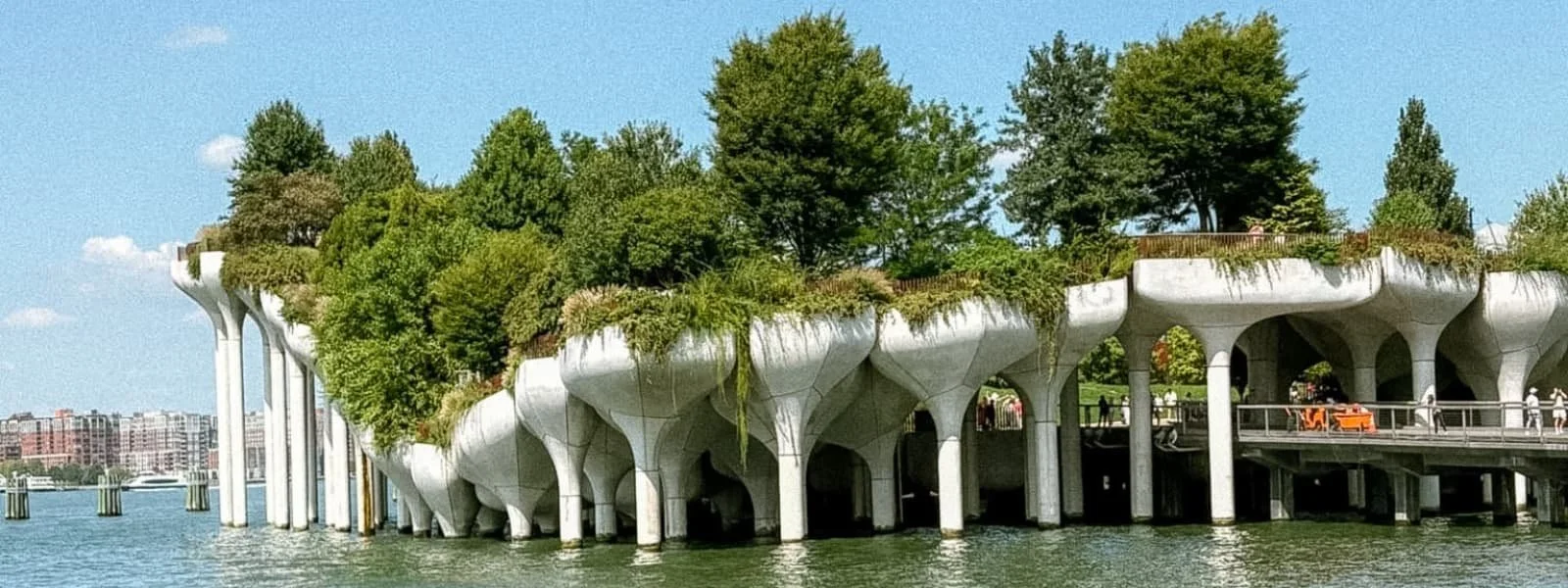
Little Island
🌬️ It’s windy all year round | 📍 Pier 54, Hudson River Park
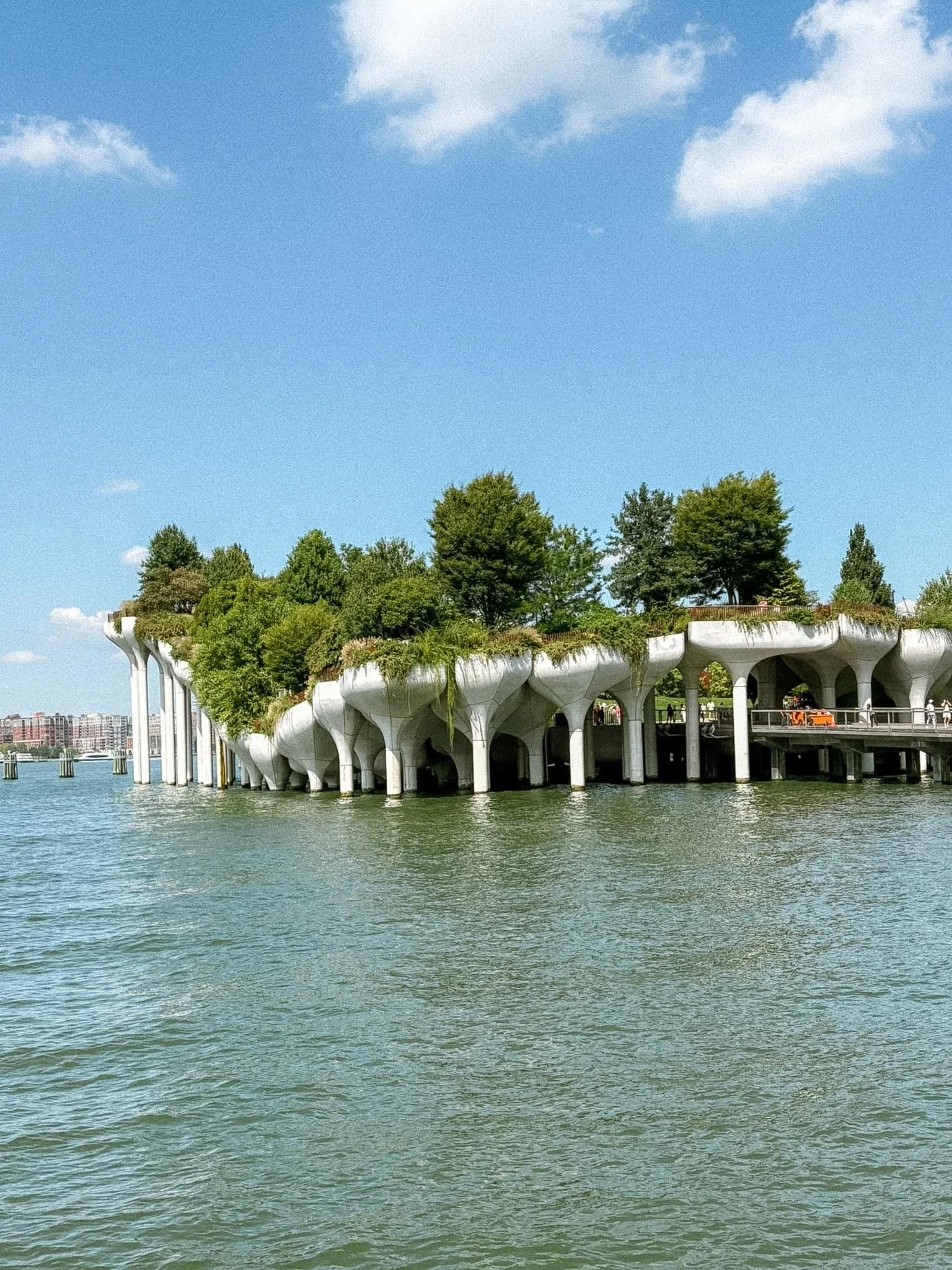
After Hurricane Sandy badly damaged Pier 54 in 2012, Barry Diller partnered with Hudson River Park Trust leadership to reimagine the space in 2013, turning it into a new kind of public park for New York City, built around art and nature instead of open pavement.
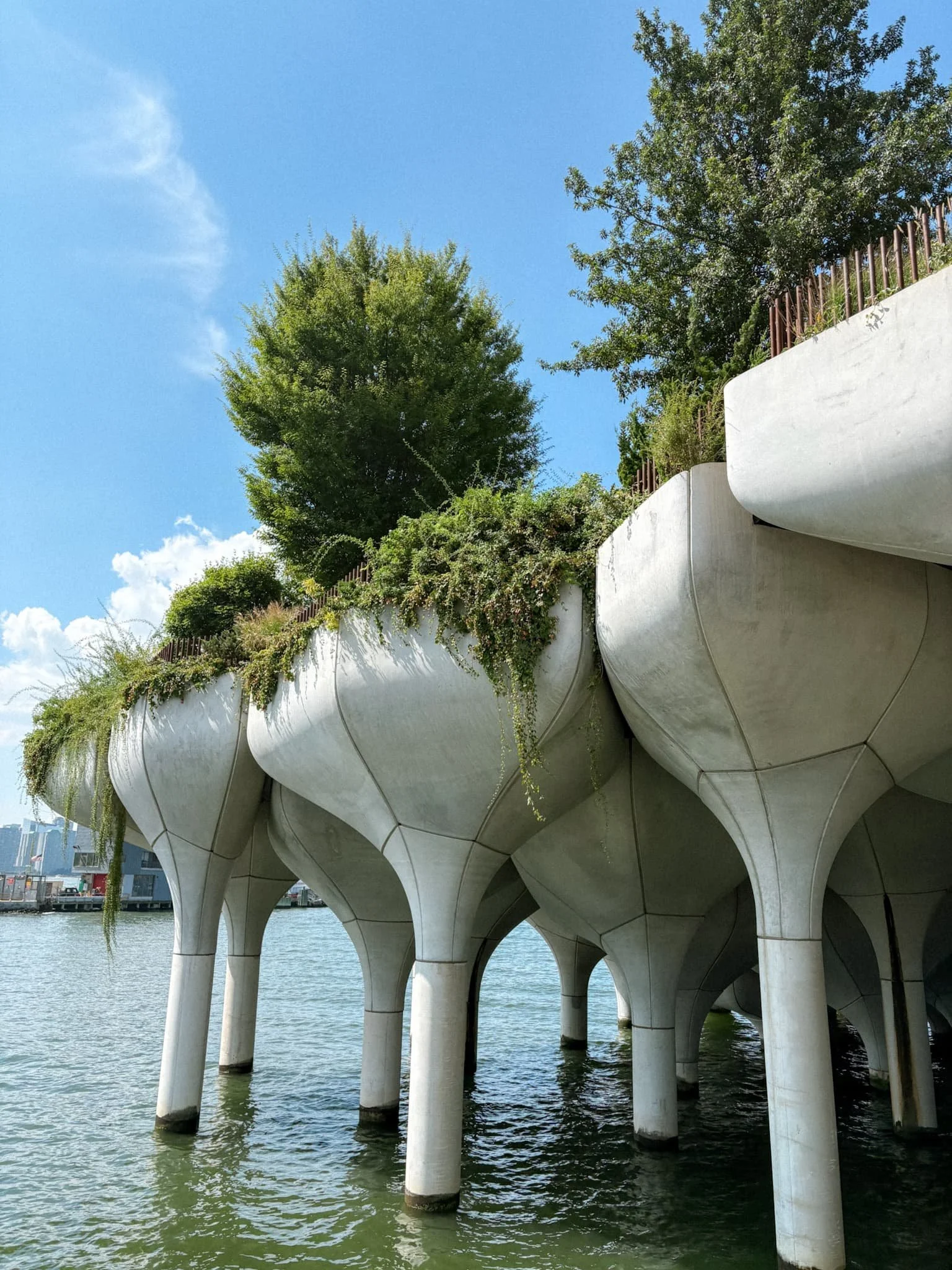
Diller and the Trust brought in Heatherwick Studio (the same firm behind the Vessel) alongside landscape architects MNLA to bring the vision to life. Rather than rebuilding a mundane rectangular pier, they used the surviving wooden pilings from Pier 54 as the foundation and built up from there, creating a series of concrete "tulip pot" structures that rise dramatically above the Hudson River.
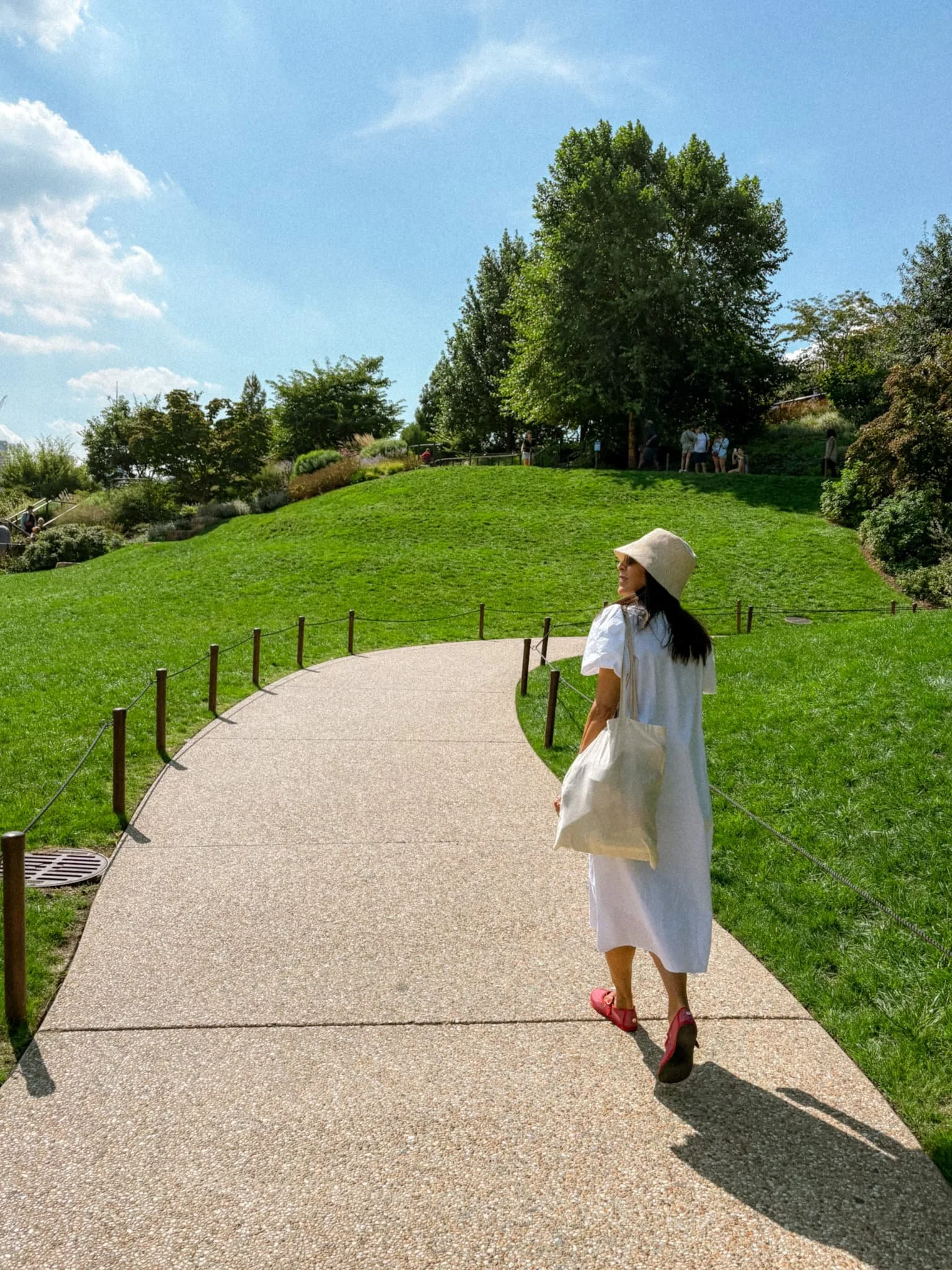
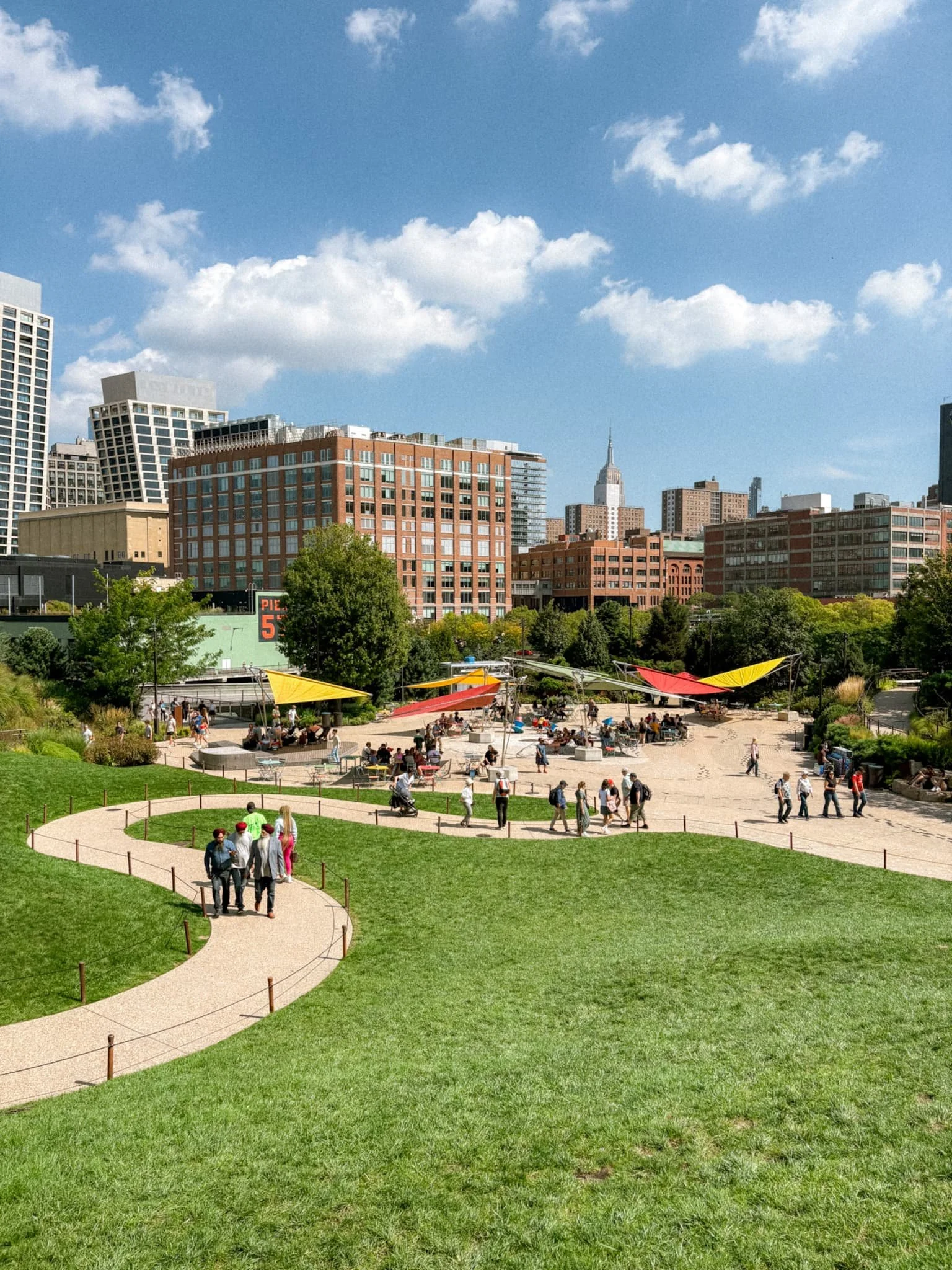
The result feels less like a pier and more like a floating landscape. It also includes two performance spaces: The Amph, a 700-seat open-air amphitheater, and The Glade, a smaller 200-seat space tucked into the landscaping.
One thing to know before you go: it gets windy out here, thanks to being surrounded by open river on all sides. Even in peak summer heat! If you're picking the best time to visit without the strong winds, I’d recommend August and September, which tend to be a bit calmer.
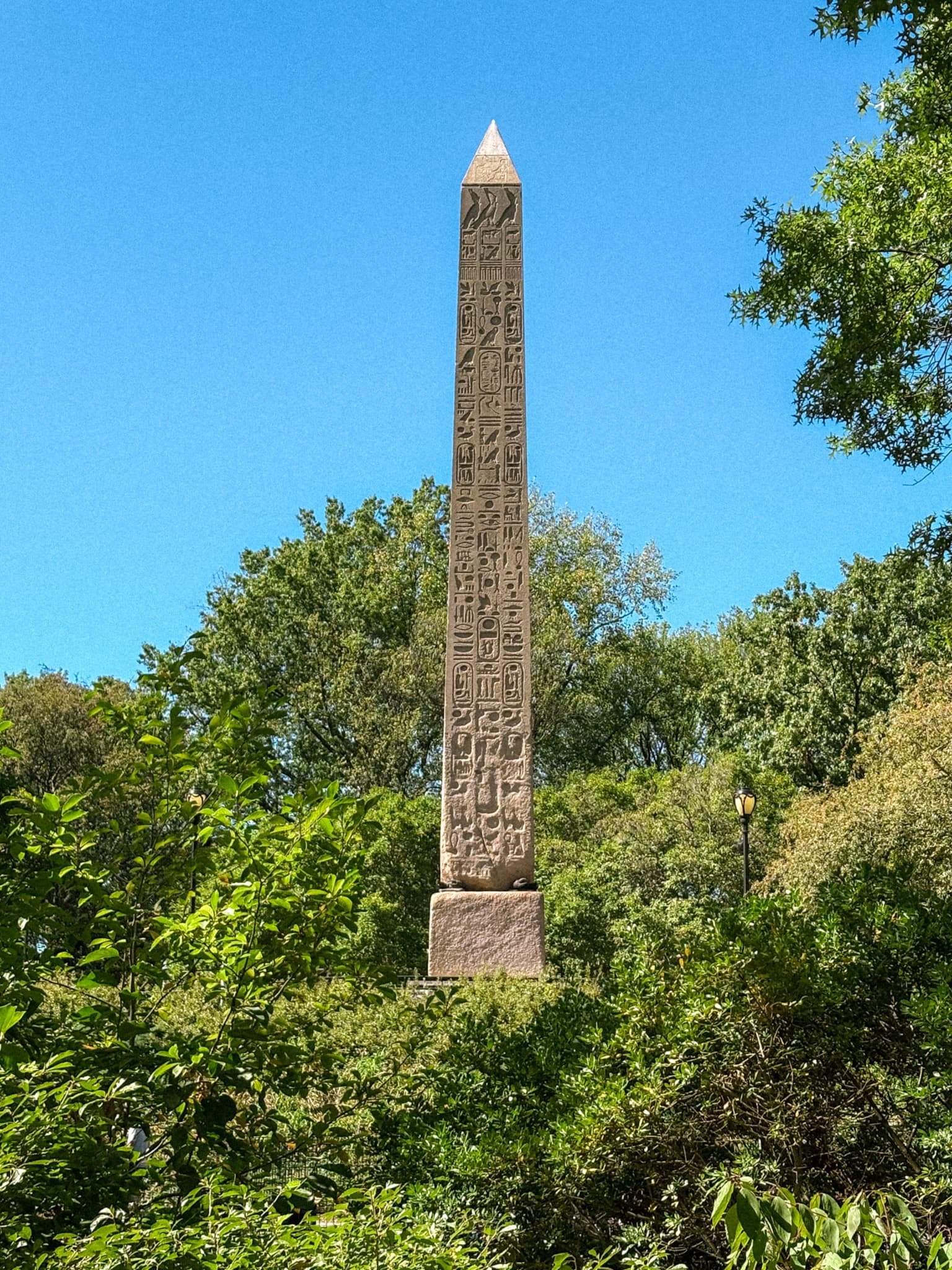
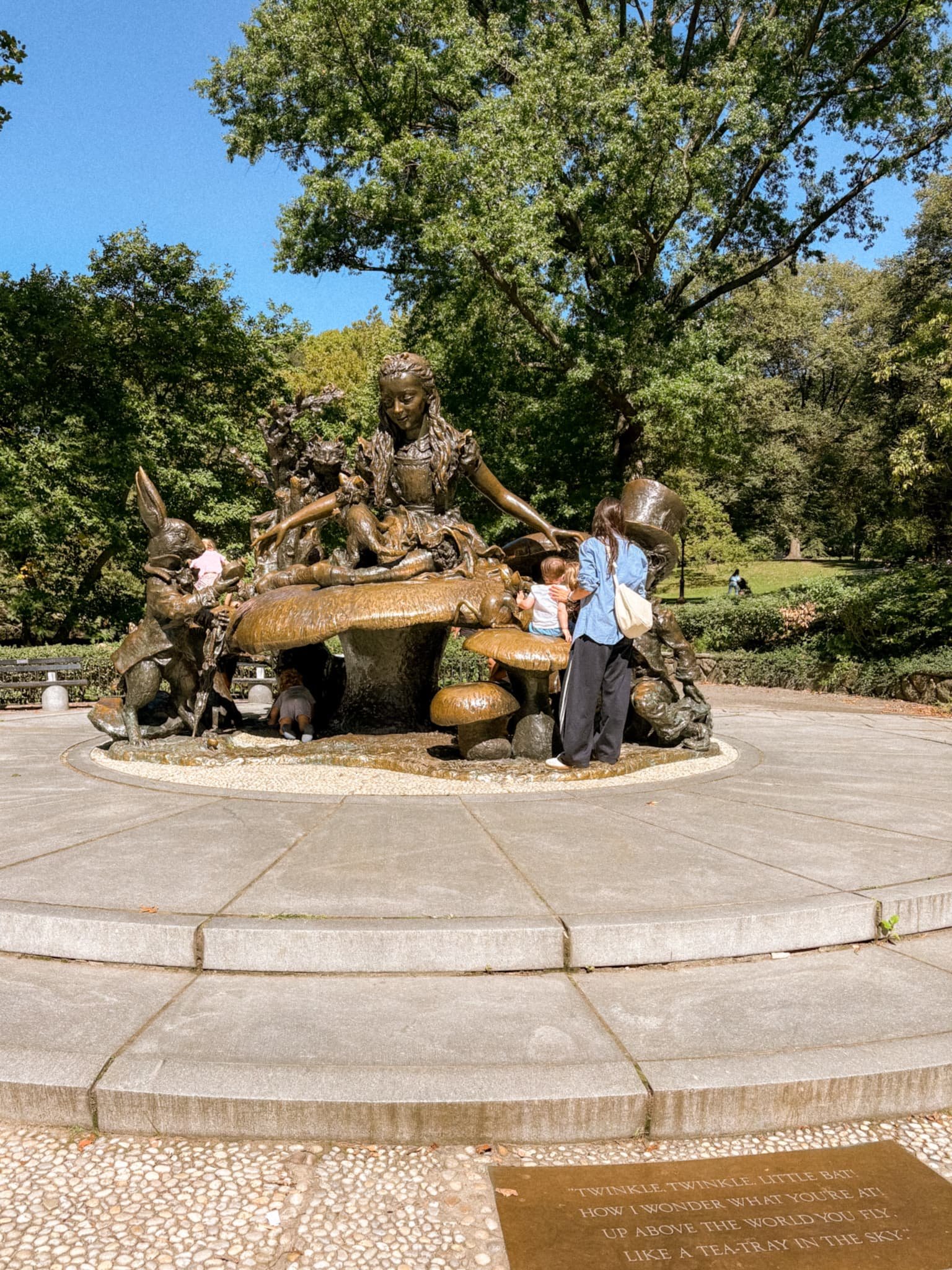
Central Park
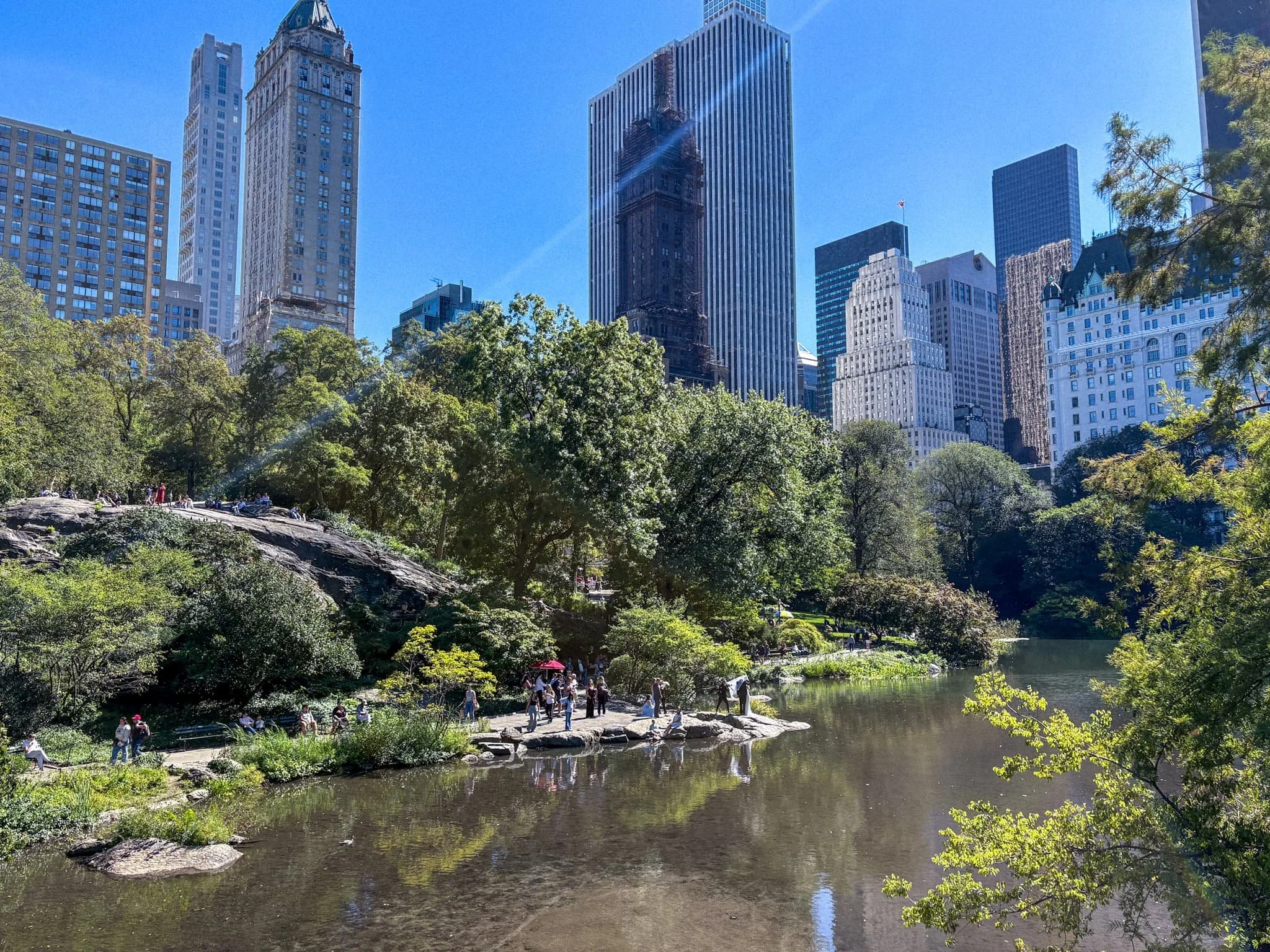
Central Park was created in 1858 to give city residents a slice of countryside — a place to escape the stress of urban life and actually be in nature. By the mid-1800s, immigrants were pouring into Manhattan, and living conditions had gotten genuinely unbearable and unhealthy, which pushed the push for green space.
The city first proposed the idea back in 1811, but it wasn't until 1853 that the state approved purchasing the land between 59th and 106th Streets to make it happen.
Frederick Law Olmsted and Calvert Vaux won the design competition with their now-famous Greensward Plan, drawing inspiration from Birkenhead Park in England, the first public park of its kind. When Central Park opened to the public in 1858, it came with over 500,000 hand-planted trees, shrubs, and vines, 36 bridges and arches (all built by hand), and the park's iconic lake.
The park hasn't always looked this good as it does today.
As city politics around its upkeep got complicated, maintenance fell apart. Benches, grass, and shrubs all started crumbling. In 1934, Mayor Fiorello La Guardia brought in Robert Moses to head NYC Parks and build out playgrounds, ballfields, handball courts, and rinks. But when Moses resigned in 1960, the park was left without a real maintenance plan and began deteriorating again. It wasn't until 1979 that volunteers, backed by Mayor Ed Koch and the Parks Commissioner, formed the Central Park Conservancy to properly restore it. That investment is exactly why the park looks the way it does today — a space the whole world gets to enjoy.

Treasure relaxing in the shade by my side on July 4th, 2025
Prospect Park
🌳 Second-largest park in Brooklyn
Prospect Park was proposed and approved in 1859, designed by Frederick Law Olmsted and Calvert Vaux — the same duo behind Central Park. Construction opened the park to the public in 1867, though it wasn't fully completed until 1873.
Long before any of that, the land was originally dense forest. Two centuries of European colonization stripped most of it bare, but a few original stands of trees still survive today, earning the nickname "The Last Forest of Brooklyn."
By the 20th century, Olmsted and Vaux's original vision — a rural escape from city life — started shifting under the influence of the City Beautiful Movement, which pulled heavily from Greek and Roman architecture. The firm McKim, Mead & White was brought in to add grand columns and statuary at the park's entrances, and in 1892, architect John Duncan designed the Soldiers' and Sailors' Memorial Arch at Grand Army Plaza.
Robert Moses — the same man who eventually walked away from Central Park in the 1960s, leaving it to crumble — also left his mark here. Using funding from Franklin D. Roosevelt's programs, he added the Prospect Park Zoo in 1935, along with new playgrounds and a skating rink in 1961.
By the 1970s, a citywide fiscal crisis hit the park hard, and it fell into disrepair with little to no maintenance. Everything changed in the 1980s when Tupper Thomas was appointed to lead the park's restoration. She and a coalition of community members formed a nonprofit and got to work: stabilizing slopes, planting 160,000 new plants and 35,000 aquatic plants, replacing boulders, rebuilding bridges, and more.
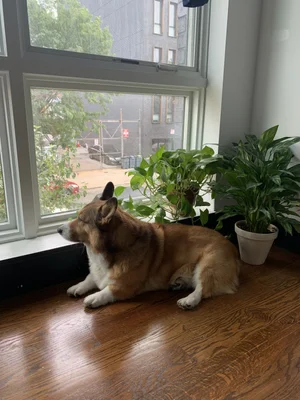
That collective effort is exactly why the park was still thriving enough to celebrate its 150th anniversary in 2017. Today, it's just as loved as ever — including by my partner, my senior doggo (RIP buddy), and me.
-
Central Park Conservancy: 160 Years of Central Park: A Brief History
Central Park Conservancy: Park History
Greenacre Park: History
Little Island: Designing Little Island
Prospect Park Alliance: Prospect Park History
Wikipedia: Prospect Park (Brooklyn)
Check Out My Latest Travel Vlog!
DISCOVER MORE



Skip the touristy activities — mini golf, archery, rage rooms, and stationery shopping. Here's where to go for a fun day (or date) with friends.