
Manhattan Borough Guide
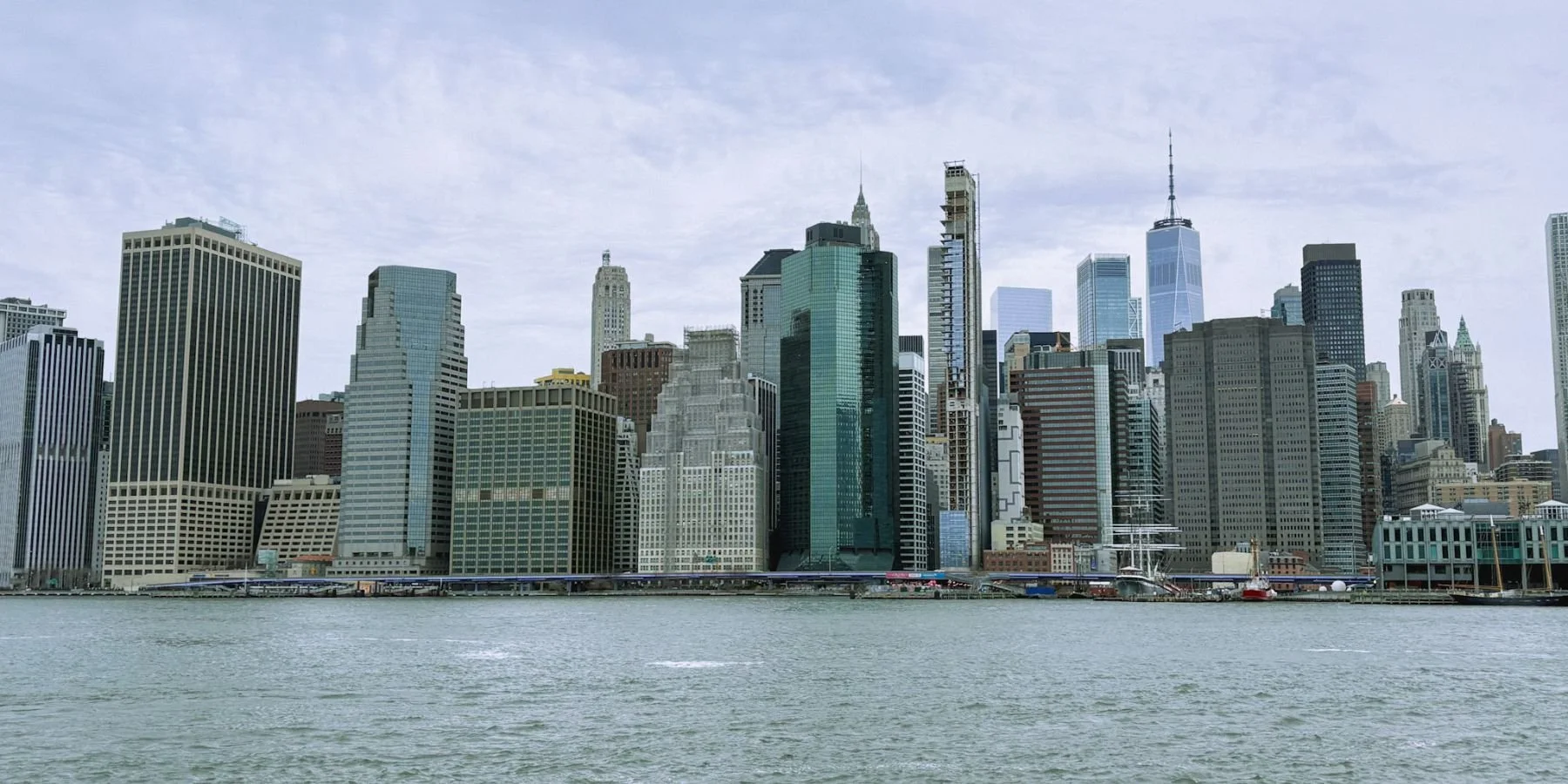
Manhattan is usually the first place people think of when they picture New York City, and honestly, for good reason. It’s loud, fast, chaotic, iconic, and somehow still magical every single time. Even after living in NYC for almost a decade and calling Brooklyn home, Manhattan is the borough I still return to most.
If it’s your first time visiting, the excitement can quickly turn into overwhelm. There are so many neighborhoods, so many hotels, and so many “must-see” lists floating around that it’s hard to know where to actually start.
That’s where this Manhattan Borough Guide comes in.
This guide breaks down Manhattan in a way that actually makes sense — explaining the neighborhoods, sharing where to eat, where to stay, and what’s truly worth your time. If you’re planning a New York City trip for the first time (or even your second), this will genuinely save you hours of research and help you travel smarter, not harder.
If you already know your dates, I highly recommend booking your Manhattan hotel early. Prices change fast here, and the best-located stays sell out quickly — especially in neighborhoods that make getting around easy.
Get to Know Manhattan
Manhattan isn’t just famous because it shows up in movies, TV shows, and music — it’s historically one of the most influential places in the world.
Long before skyscrapers and subway lines, this land belonged to the Lenape tribe. The name “Manhattan”, originally written as "manaháhtaan," comes from the Munsee language of the Lenape, roughly translating to “the place where we gather wood to make bows,” which hints at its importance even before European settlement.
In the early 1600s, the Dutch arrived and established New Amsterdam in what’s now Lower Manhattan. A few decades later, the English took control and renamed it New York after the Duke of York. From 1785 to 1790, New York City even served as the capital of the United States, with Manhattan at its core.
As the city grew, Manhattan became increasingly connected to the surrounding boroughs.
The opening of the Brooklyn Bridge in 1883 permanently linked Manhattan to Brooklyn, changing how people lived, worked, and traveled. In 1898, Manhattan officially became one of the five boroughs of New York City. Around the same time, the Statue of Liberty emerged as a powerful symbol for immigrants arriving in America, many of whom first set foot in Manhattan.
Today, Manhattan is a global powerhouse. It’s home to Wall Street, the New York Stock Exchange, and NASDAQ, making it one of the most important financial centers in the world. It’s also where you’ll find some of the city’s most visited landmarks — Central Park, Times Square, Fifth Avenue, Grand Central Terminal, and Penn Station — all packed into a relatively small area.
Map of Manhattan
Best Time to Visit
Where to Dine
Where to Explore
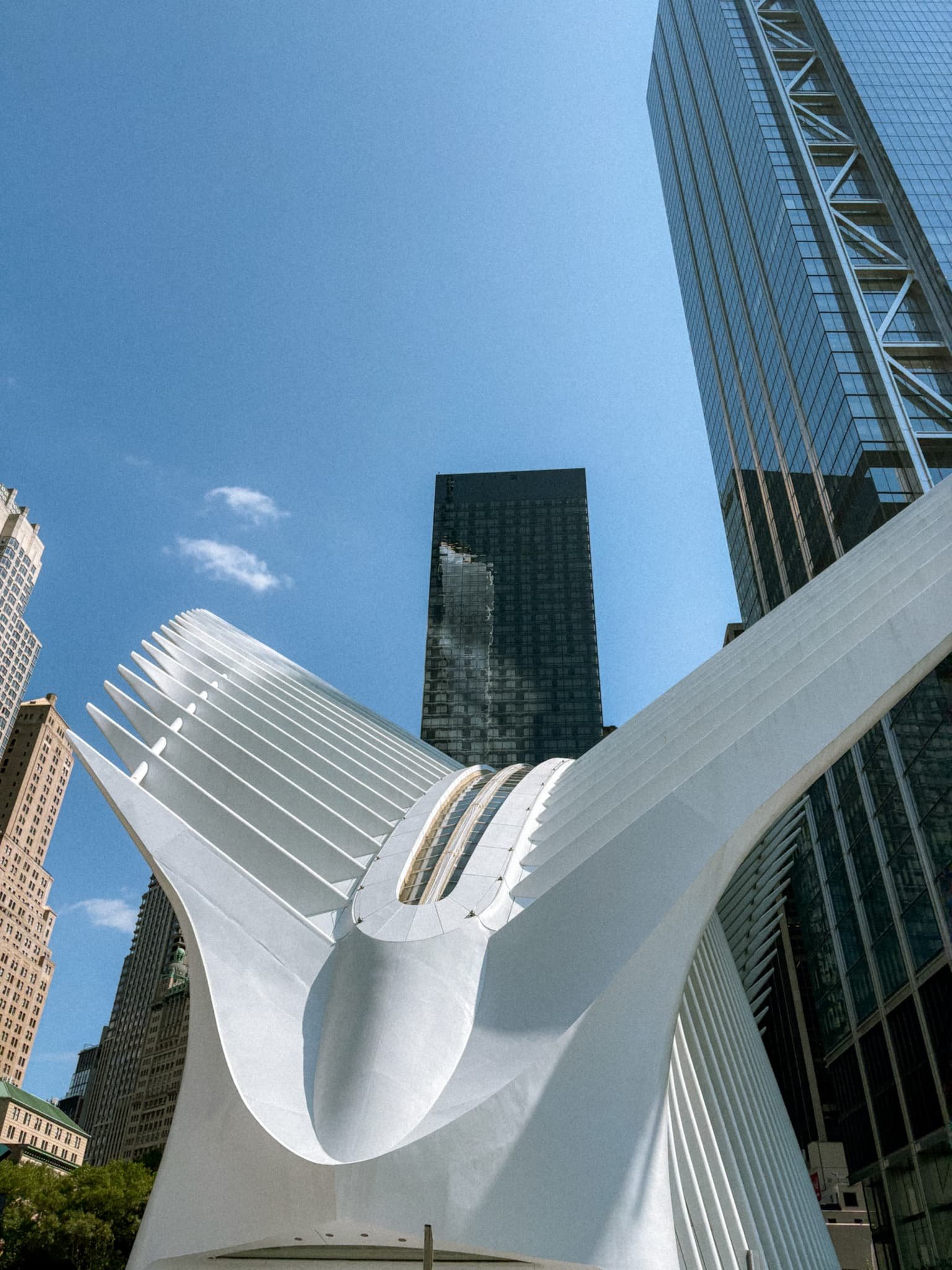
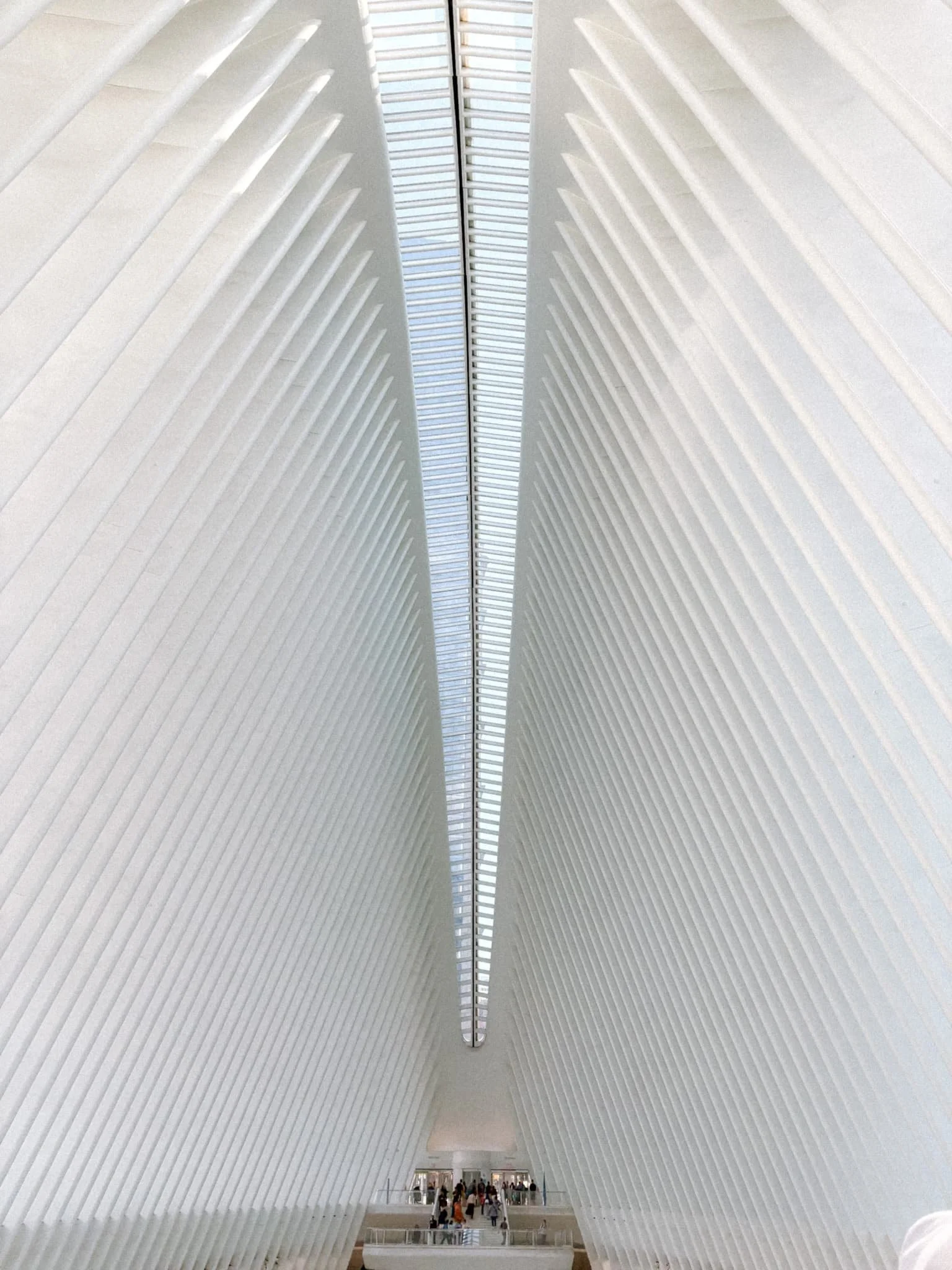
Oculus 🕊️
🎟️ Free to enter | 🚇 Transit hub + shopping mall | 📍 Westfield World Trade Center
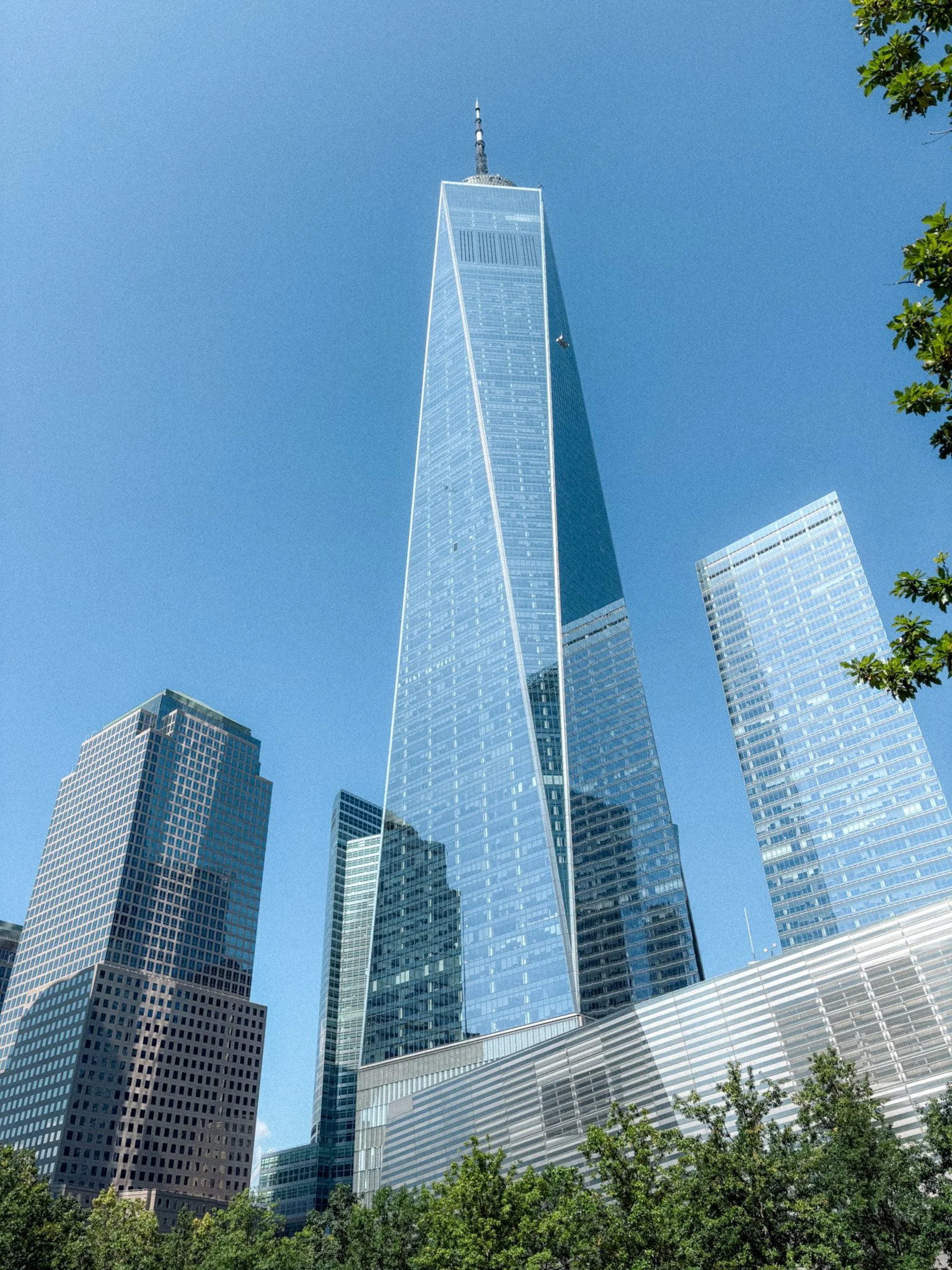
Designed by Santiago Calatrava (Daniel Libeskind laid out the original WTC master plan the Oculus sits within), this soaring white structure is shaped like a dove released from a child's hands, a deliberate symbol of peace built in the middle of one of the most consequential sites in American history.
The design is so brilliant that on September 11th each year, the skylight lets in a beam of light called the "Wedge of Light" that moves across the floor between 8:46 am (when the first plane struck) and 10:28 am (when the second tower fell), illuminating two parallel columns in the exact footprint pattern of the original Twin Towers. It's subtle if you don't know to look for it, but once you do, the whole building reads differently.
Underneath the architecture, it's also a functioning transit hub and mall, which is crazy to think about every time you're rushing through it to catch a PATH train (which we did when we were trying to go to Jersey).
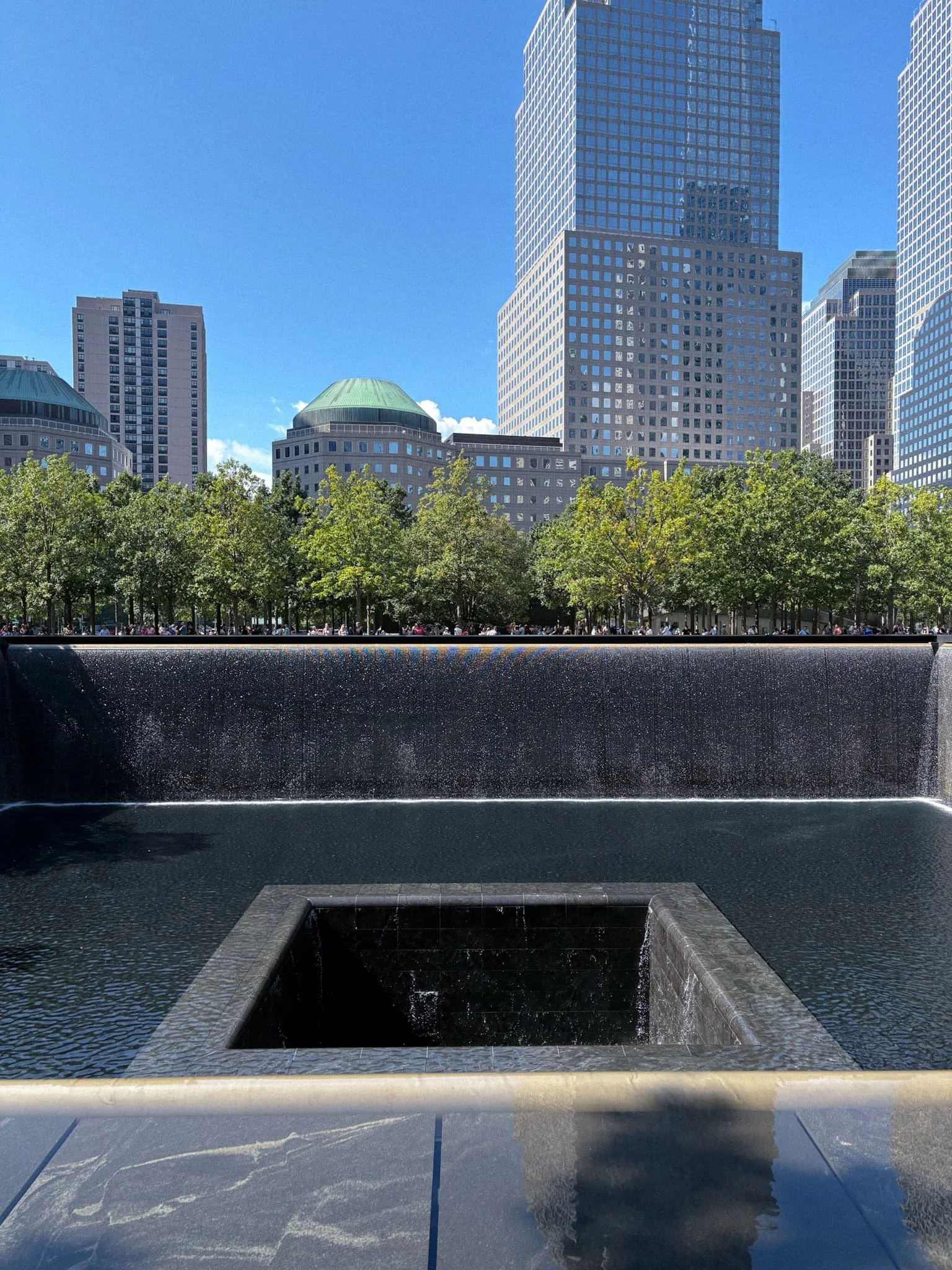
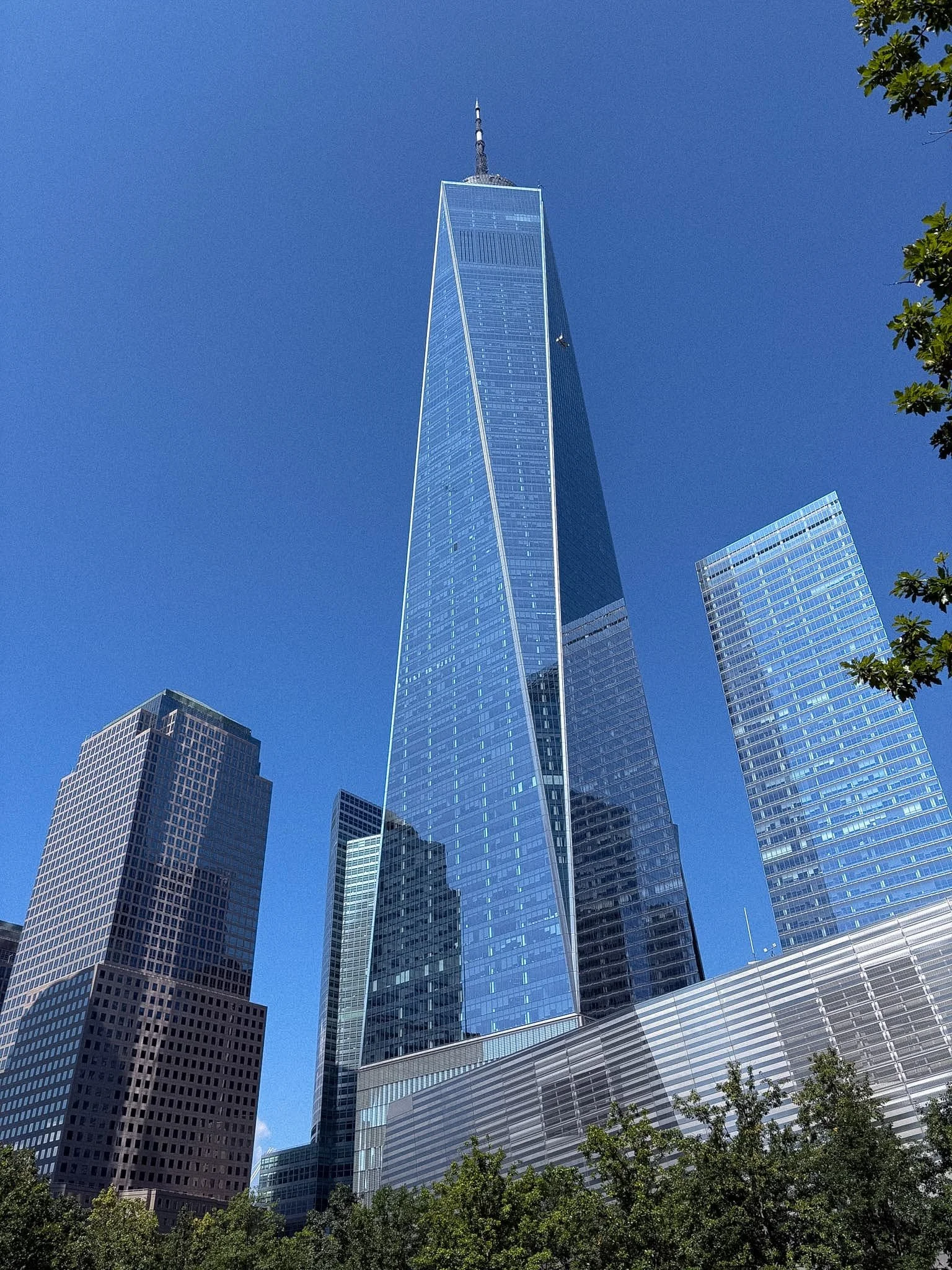
🌳 Free to visit | 💧 Twin reflecting pools | 📍 180 Greenwich St
The memorial's twin reflecting pools, named Reflecting Absence, were designed by architect Michael Arad and landscape architect Peter Walker. Their design was chosen out of 5,201 submissions by a panel of 13 judges from 63 countries, a genuinely massive undertaking to find something worthy of the space.
Bronze parapets around each pool list the names of the 2,983 victims of both the September 11th attacks and the 1993 World Trade Center bombing, grouped by where they were found or who they were with, not alphabetically.
To me, the waterfalls feel like they carry the weight of every family's grief, cascading endlessly into that dark, empty center. It's the kind of detail that quietly gets you. And if you look closely at the names along the parapets, you'll sometimes spot a single white rose tucked into one — placed there on what would've been that person's birthday, donated by Michael of Mikey Flowers as a small, ongoing act of remembrance.
Around the pools, 400 swamp white oak trees fill the plaza, chosen because the species is native to all three 9/11 attack sites: New York City, Arlington, Virginia, and Somerset County, Pennsylvania. But the tree that stops people in their tracks is the single Callery pear standing apart from the rest. Workers found it severely damaged at Ground Zero, and the NYC Parks Department nursed it back to health over several years before returning it to the plaza in 2010. It's known today as the Survivor Tree, and frankly, it's one of the most moving details on the entire site.
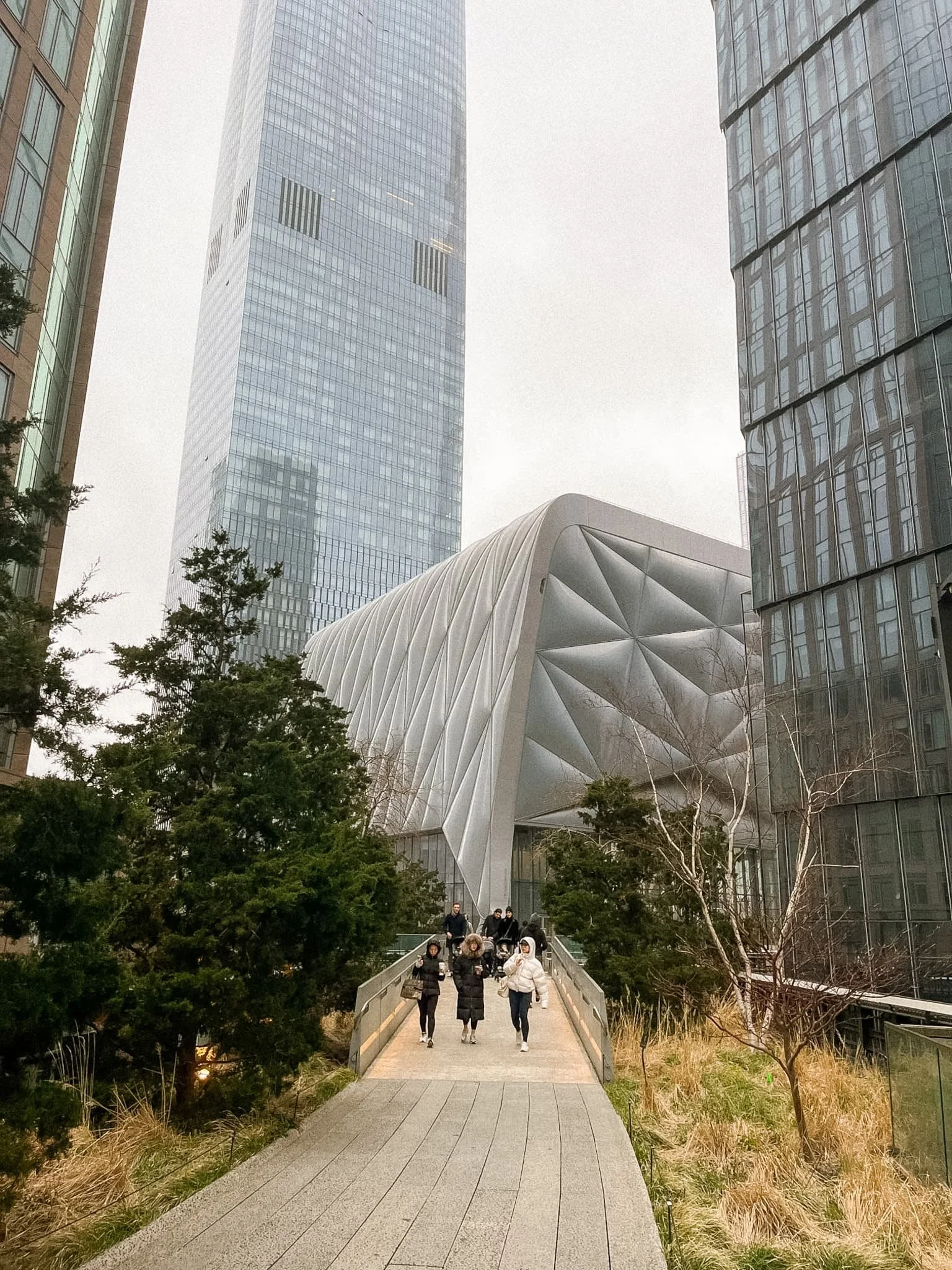
The High Line
🚶 Self-guided walk | 🎟️ Free | ⏱️ 1 - 2 hours | 📍 Gansevoort St to 34th St, Manhattan
The High Line used to be a freight railway, built in the mid 1800s to keep delivery trucks off Manhattan's crowded streets and running food and goods straight into lower Manhattan warehouses. It fell out of use by the 1960s as trucking took over, and the city almost tore it down. Instead, two locals — Joshua David and Robert Hammond — founded Friends of the High Line in 1999 and spent years fighting to save and repurpose it instead of demolishing it, even as plenty of New Yorkers at the time saw it as nothing but an eyesore.
The turning point came through an international design competition in 2003 that drew ideas from dozens of countries and built enough public momentum to get the city and Mayor Bloomberg on board. From there, landscape architect James Corner Field Operations and plant designer Piet Oudolf transformed the old tracks into the park you walk today, and High Line Art launched in 2009 to keep commissioning site-specific work along the route every year since.
The park fully opened to the public in 2014, and it's honestly one of the most incredible reuses of infrastructure I've seen anywhere in the city!

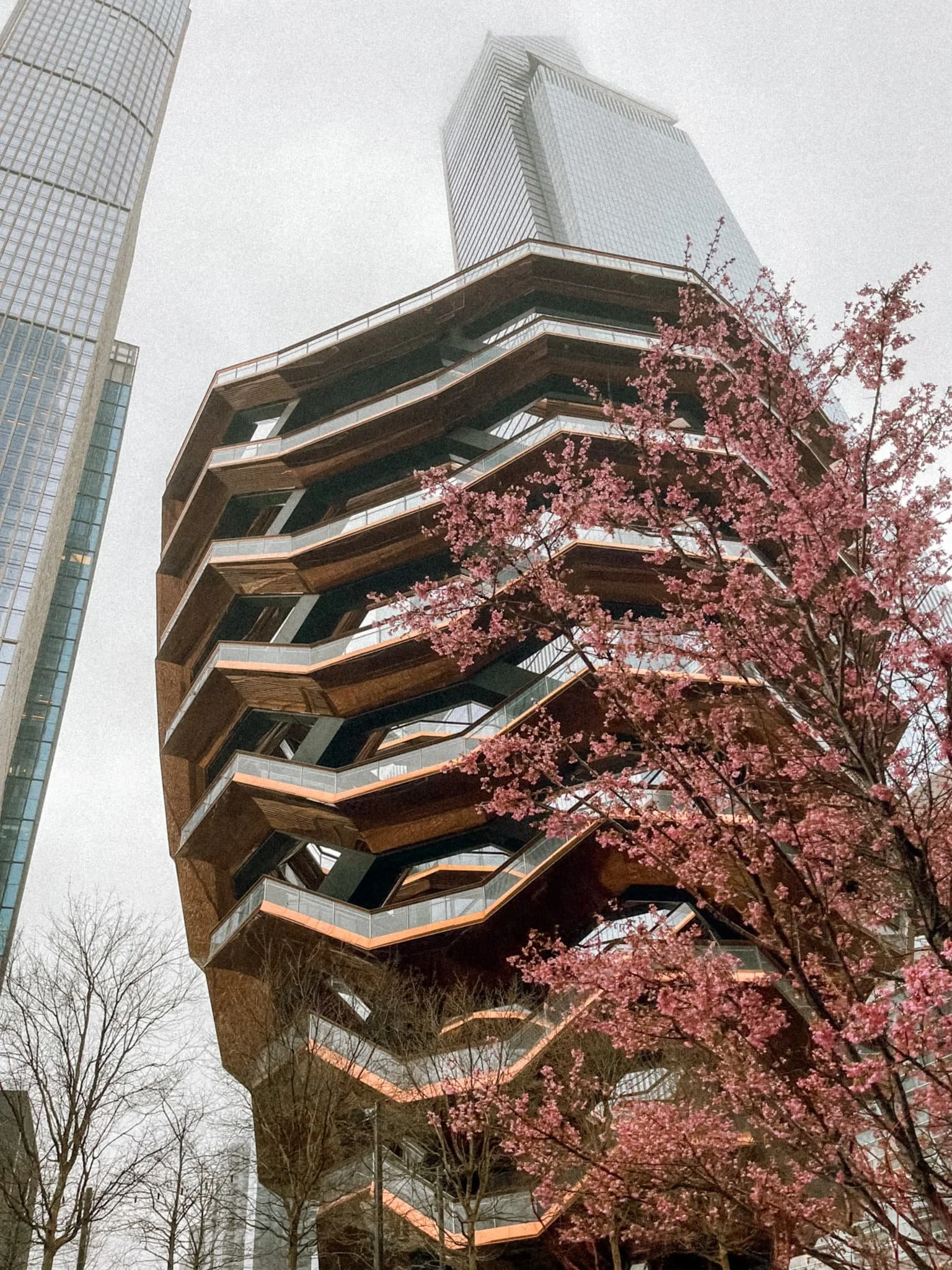
🍯 Honeycomb structure | 🪜 154 flights of stairs | 📅 Opened March 2019 | 📍 Hudson Yards
Designed by Thomas Heatherwick, the Vessel is Hudson Yards' honeycomb-shaped centerpiece — part sculpture, part climbable public art. It's one of those buildings that photographs completely differently depending on the angle, the light, or the season, which is part of why it's become such a magnet for visitors since it opened.
Note: The Vessel closed to public climbing in 2021 after several tragic incidents and has changed access rules since. You may buy tickets to access the Vessel in advance
Manhattan Experiences You'll Love
Find Your Perfect Stay
Helpful Guides

Check Out My Recent Travel Vlog!
-
High Line: History
Weather Spark: Climate and Average Weather Year Round in Manhattan
Wikipedia: Manhattan
Wikipedia: Vessel
World Trade Center: Oculus Transportation Hub
9/11 Memorial & Museum: About the Memorial
Last Updated: 09.16.2026
From Sichuan speakeasies to Burmese breakfast popups — NYC's Asian food scene goes way deeper than you think. Here are 19 spots I've personally eaten at (and kept going back to) across the city, organized by cuisine so you can find exactly what you're craving.