
Da Nang City Guide
This post contains affiliate links, meaning EVERLASTYING will earn a commission if you purchase through our link at no extra cost.
Read my disclosure for more information. I appreciate your support 🤍
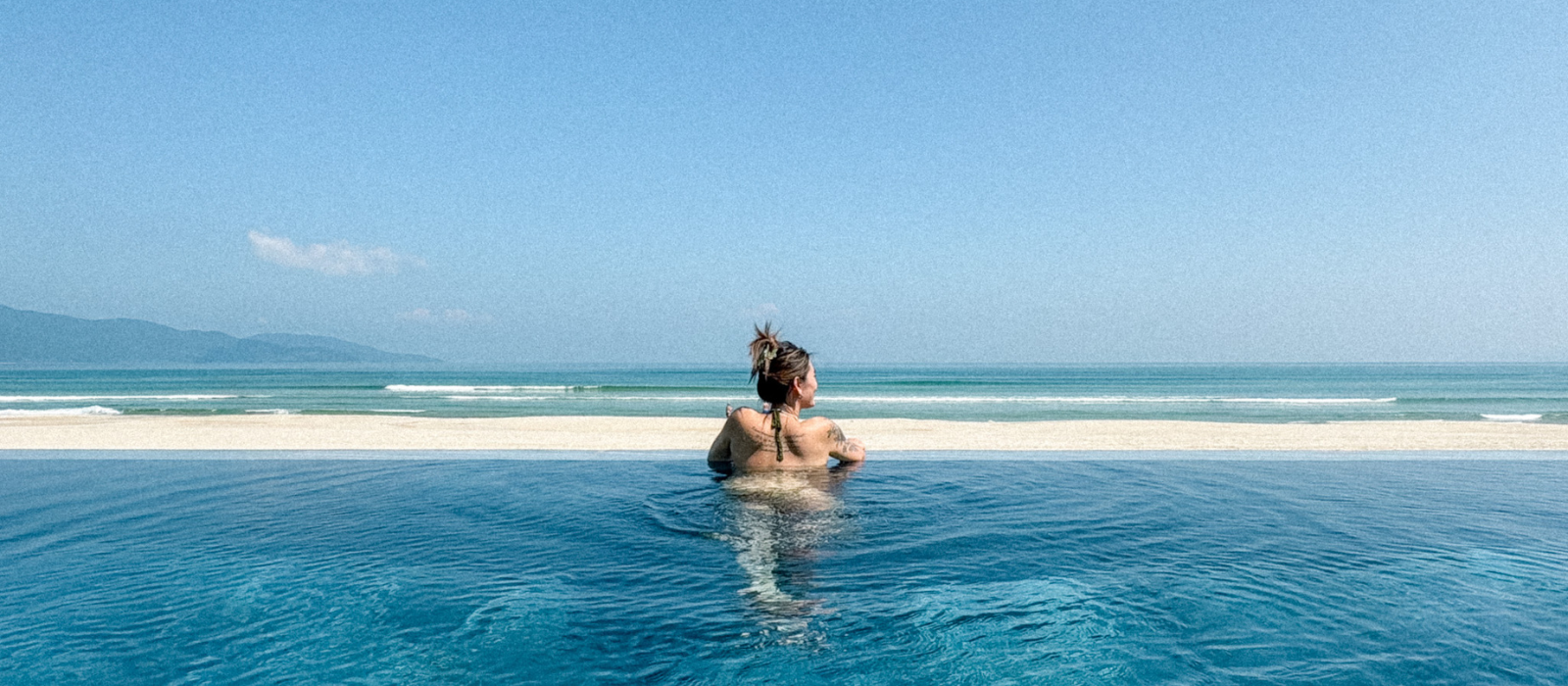
When we landed in Da Nang, I didn’t expect much. I barely knew anything about Vietnam besides what friends living there had shared. Then we hopped into a Grab, the Uber of Southeast Asia, and drove toward our stay at TIA Wellness Resort, and the city gave me Bali energy, in the best way.
Even with the sun setting, it felt alive: humid air, glowing food stalls, scooters humming past, ocean breezes, and a relaxed mix of tourists and locals wandering the streets.
Frankly, I had no idea Da Nang was this good. The beaches are clean, the seafood is fresh, the pace is slow, and Hoi An, Hue, and Ba Na Hills are easy day trips. It’s also seriously great value.
This guide covers a quick history of Da Nang (spoiler: it’s wild), where to stay, tours worth booking, where to explore, and how to get around.
Get to Know Da Nang
Da Nang is Vietnam’s dynamic coastal city, with a story as layered as its landscape. It’s now the largest of the country’s six centrally governed cities by area, home to about 3 million people, and one of its busiest ports, with roots reaching back nearly two thousand years.
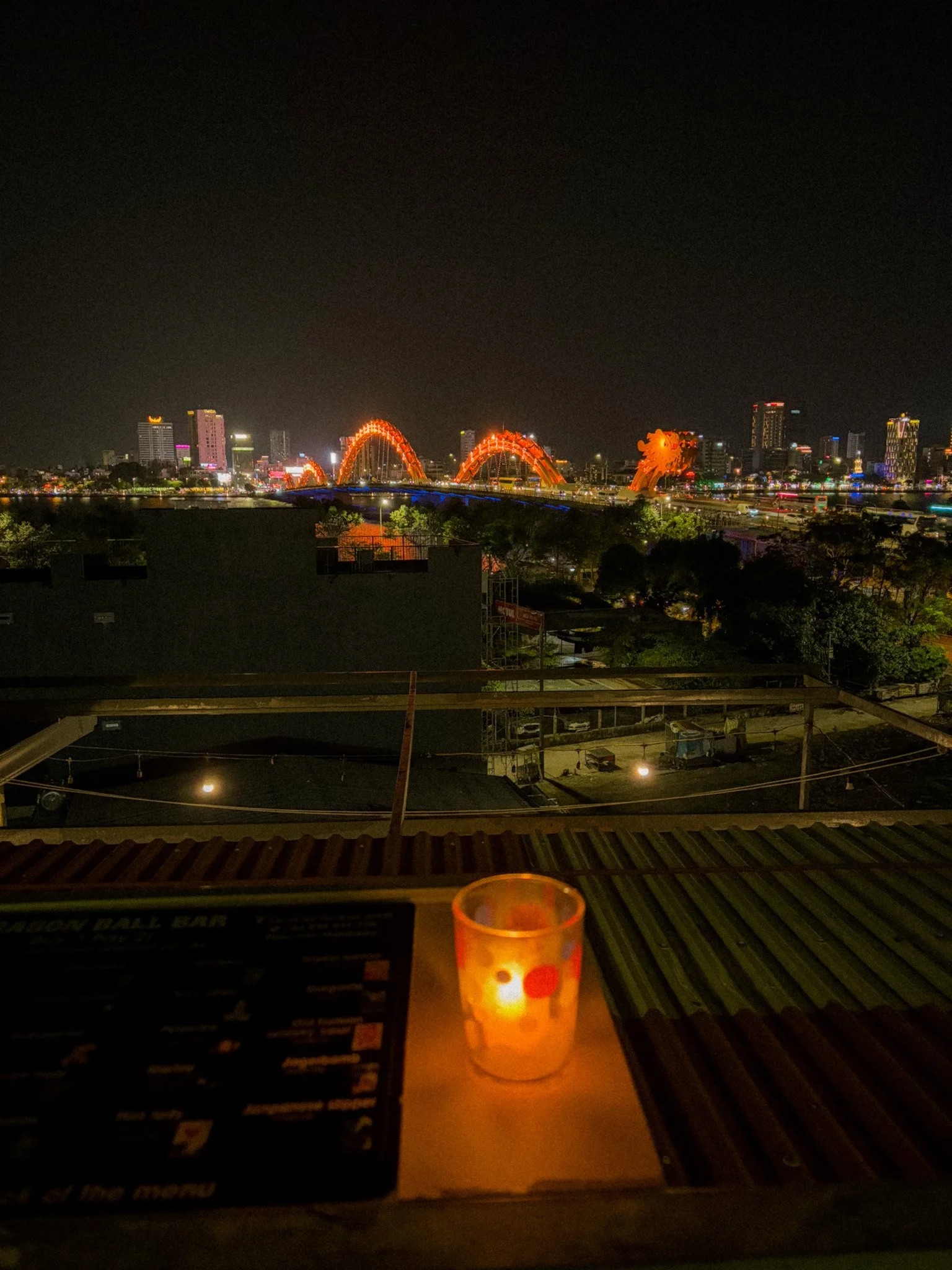
Dragon Bridge
From ancient kingdom to trading hub
Da Nang’s story begins with the Champa Kingdom, founded in 192 AD. Its spot at the mouth of the Han River made it a natural trading and military hub. The name itself is debated, but one popular theory traces it to the Cham word da nak, roughly “opening of a large river.”
Over the centuries, Champa clashed with the expanding Dai Viet, and by the 15th century Cham influence had faded as Vietnamese settlers reshaped the region.
Colonial era and the rise of Tourane
In 1535, Portuguese explorer António de Faria anchored in Da Nang, opening the door to European trade. Then, in 1835, Emperor Minh Mang decreed that European ships could trade only here, and Da Nang’s port overtook nearby Hoi An as central Vietnam’s biggest commercial harbor.
That also made the city a target.
In September 1858, French troops under Admiral Rigault de Genouilly landed in Da Nang, kicking off the Cochinchina Campaign, though they were forced to retreat by 1860. French rule eventually took hold, and in 1889 the city was renamed Tourane under the governor-general of French Indochina.
Da Nang during the Vietnam War
Fast forward to the 20th century, and Da Nang became one of the most important US military bases of the Vietnam War. Da Nang Air Base was one of the busiest aircraft hubs in the world, averaging more than 2,500 operations a day, more than any other airport or airbase at the time.
Even the Marble Mountain Air Facility, built in 1965, was named after the same Marble Mountains you can climb today.
The city stayed pivotal until the war ended in 1975.
Today: a modern city with deep roots
After reunification, Da Nang was part of Quảng Nam–Đà Nẵng province until January 1, 1997, when it became its own centrally governed city. Today it’s a first-class city and a major economic hub, famous for its beaches, bridges, and landmarks.
The July 2025 merger added Quảng Nam province, so Hoi An Ancient Town and the My Son Sanctuary, both UNESCO sites, now officially fall under Da Nang as well!
Da Nang Map
Hover a dot to explore
Best Time to Visit
February to May: best overall
This is the perfect time. It’s dry and warm, and the sea is calm enough for swimming, with sunny days and breezy nights that suit day trips to Hội An and the Marble Mountains.
Book wellness stays and tours early, especially around Tet (Lunar New Year), when prices jump and locals take over the beaches.
June to August: peak season
Frankly, this is beach perfection with a catch.
The sea is calm and the days are bright, but it’s also school holidays, so expect higher hotel prices, crowds, and highs in the mid-90s °F.
🌧️ September to November
This is the rainy season, and October is the worst, with tropical downpours and the occasional typhoon. The upside is fewer crowds and real off-season hotel deals.
We visited in November and made it work with flexible plans and bought a rain jacket. Check the typhoon forecast a few days before you fly to pack properly.
🌥️ December to January
Winter brings cooler days, thinner crowds, and drier skies… but it’s not quite beach weather. It’s comfortable for sightseeing with some overcast days.
What a Day Costs
* Per person, per day · USD
Fine dining
$40 – $100
Beachfront seafood and rooftop dinners; cocktails are around $8 - $15
Local eats
$2 – $8
Mì Quảng, bánh mì, and seafood by the beach
Peak-season tip
Beachfront resorts fill up fast from June to August and around Tet, so lock in your stay as soon as your dates are set.
Find your stayGetting Around
Private transfer
The easiest start to the trip. Book an English-speaking driver ahead of time and they'll be waiting when you land, which is worth it after a long flight.
Book a private transfer →Grab
Think Uber, but cheaper. Download it before you land. Drivers sometimes cancel during rush hour, so give yourself a buffer.
Taxi
Easy to find at the airport. Stick to the main companies like Vinasun or Mai Linh, and make sure the meter is on or agree on a price first.
Motorbike rental
Only if you're licensed to ride in Vietnam, and most foreign licenses and permits aren't. Traffic is chaotic and rental insurance won't cover you without one. Frankly, Grab is the safer call.
Bike + walk
Great along the beachfront, and some hotels lend out bikes for free. My Khê Beach and the city center are walkable too, just bring SPF.
Tip: double-check your pickup spot in the Grab app. Some hotels and attractions have tricky layouts, so a quick check saves you a lap around the block.
Where to Explore
Da Nang Experiences You'll Love
Where to Stay
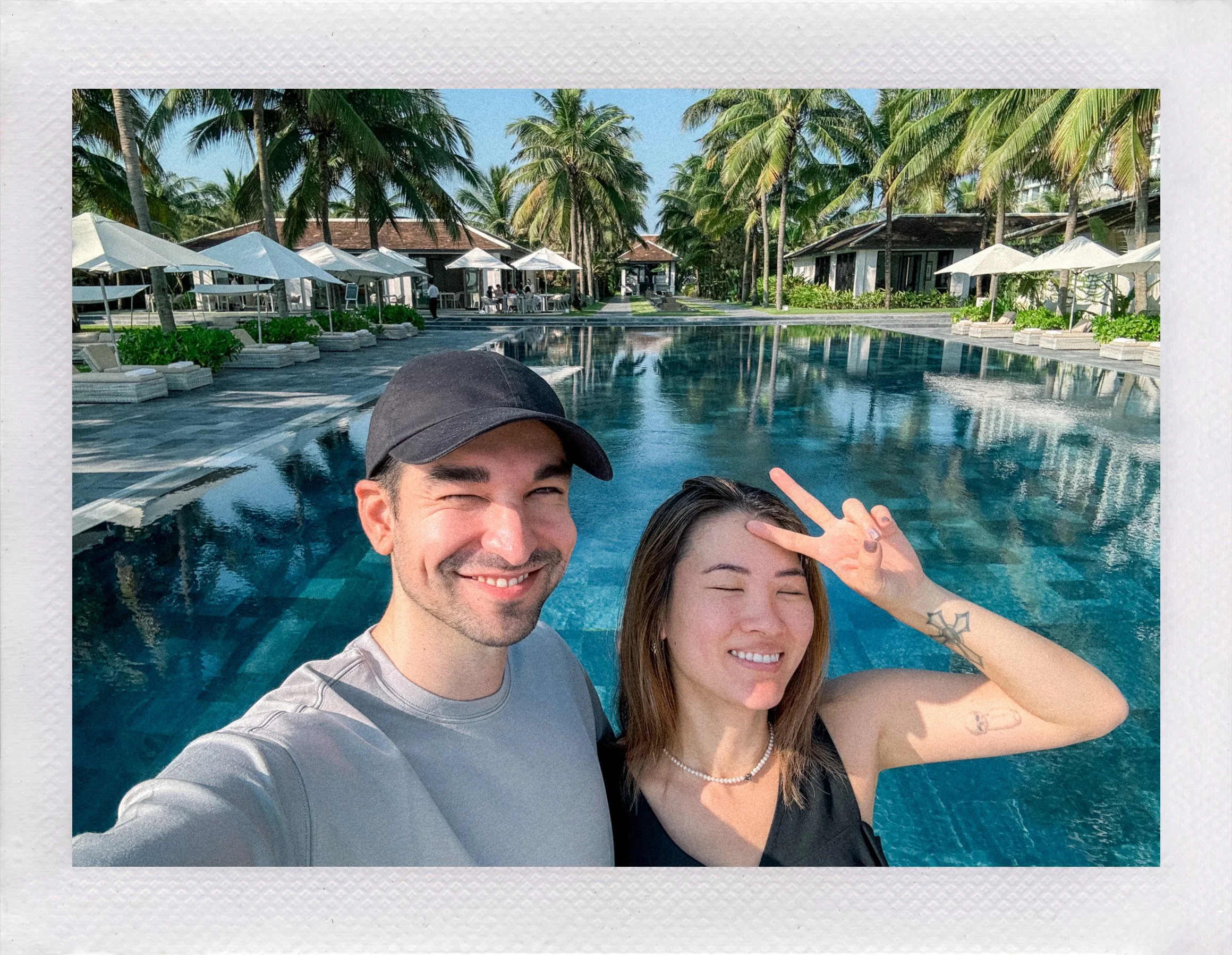
TIA Wellness Resort
We stayed here for two nights and it was everything. Endless spa treatments, healthy meals, and creative wellness classes, all steps from the beach. Read my full TIA review for the details.
Ready to book TIA Wellness Resort?
Rates can differ between sites, so I'd compare both.
— Best Areas to Stay —
My Khê Beach
Palm trees, seaside cafés, and most of Da Nang’s wellness resorts. It’s the slow, peaceful part of the city, and where I’d put most first-timers.
City Center + Hàn River
Walkable to the markets, bars, and Dragon Bridge, and the best base for nightlife. Come here if you’d rather step outside to a busy street than a beach.
Sơn Trà Peninsula
Jungle, quiet coves, and the most secluded luxury stays, including the InterContinental Sun Peninsula. It’s best for nature lovers, but you’ll rely on Grab to get anywhere.
— Where Will You Wake Up in Da Nang? —
FAQ
How many days should I spend in Da Nang?
Around 3 to 4 days. Two full days covers the food, beach time, and cultural sights, and an extra day or two lets you add Hội An or Ba Nà Hills. Hue is a long day trip, so only add it if you have time to spare.
→ Jump to Getting Around to plan transfers and drivers.
Are Da Nang’s beaches clean?
Yes, especially My Khê Beach, which is well maintained and popular for swimming. Most major beaches have lifeguards. The sea is calmest from February to August and gets rough in the rainy season, so check the flags before you swim.
Do people speak English in Da Nang?
In tourist areas like hotels, restaurants, and tour spots, yes. Basic English is common. In more local areas, download Google Translate or learn a few Vietnamese phrases.
How do I get from Da Nang Airport to the city?
You have three easy options:
A private transfer with an English-speaking driver, which is the best option if you don't want to worry about logistics after a long flight
The Grab app, Vietnam’s version of Uber
Local taxi from the terminal, but confirm the fare or make sure the meter is on
What is Da Nang known for?
Da Nang is known for:
Beaches like My Khê
The Marble Mountains
Street food and seafood
The Dragon Bridge and the Golden Bridge
Day trips to Hội An
→ Learn more in Getting to Know Da Nang
Is Hội An part of Da Nang now?
Technically, yes. In July 2025, Da Nang absorbed all of the former Quảng Nam province, including Hội An and Mỹ Sơn. Hội An is still its own ancient town about 45 minutes south of the beaches, and most travelers still treat it as a day trip.
Vietnam Travel Vlog
-
Lonely Planet: A first-time guide to Danang, Vietnam
Vietnam Travel: Da Nang
Vietnam People’s Army (QDND): Integrating tourism resources and infrastructure
Wikipedia: Da Nang
YOU MIGHT ALSO LOVE





Last Updated: 10.15.2026

Caves lit by a single beam of sun, pagodas at the top of steep stone stairs, and one climb I had to skip.