
The Do’s and Don’ts in Taiwan

Chiang Kai-Shek in Taipei City
This post contains affiliate links, which means EVERLASTYING will earn a commission if you purchase through our link, at no extra cost to you.
Read my disclosure for more information. Thank you for your support 🤍
Want to visit Taiwan without feeling like a clueless tourist?
As a Taiwanese American who visits every year, I've seen plenty of well-meaning travelers accidentally offend locals, often without even realizing it. Taiwan is incredibly welcoming, but a little cultural know-how goes a long way.
This guide covers the do's and don'ts that matter most, from greetings and dining to gift-giving and getting around, so you can explore Taiwan with confidence and respect.
And once you've got the etiquette down, I've mapped out every spot I keep going back to. Grab the Taiwan Map here.
Greetings & Body Language
Do greet when entering any small business
Say "nǐhǎo" (你好) for a formal greeting to elders or people who are older than you, or "hālōu" (哈囉) for a more casual one to younger Taiwanese or people who are the same generation as you.
Don’t hug people you’re unfamiliar with
Hugs are reserved for close friends and family.
Don’t snap your fingers at someone
Don’t snap your fingers to get a person’s attention. Instead of snapping, politely call out to someone to get their attention.
Don’t talk about politics
Topics related to Taiwan and China can be extremely sensitive. It doesn’t matter who you’re with, don’t ever talk to people about the relations between Taiwan and China — UNLESS you’re super close to the person. People can get offended because it’s a sensitive topic.
Don’t talk about death or the number 4
The number 4 in Chinese is sì (四), which sounds very similar to the word for death in Chinese, which is sǐ (死).
This similarity is especially significant in hospitals, where there is a superstition that talking about death or writing the number four or having it present may be seen as cursing someone to die.
This belief is also the reason why many older buildings do not have a fourth floor.
Dining & Tipping

Shanghai Kung Fu Noodles in Taichung
Do experience local Taiwanese cuisines
Most small businesses don’t show up on Google Maps or Yelp, so the best way to find the best spots is to see when there’s a long line of people waiting to get food; that means THAT is the best local spot that Taiwanese people have been raving about.
Do compliment the food
Small business owners love to hear if you enjoy the food they make. It makes them super happy and proud to be praised for what they love to do!
Don’t waste food
Try not to order more than you can eat. It’s common to do so, especially when you’re famished; this is called 眼大肚小 (eyes big, stomach small) — which literally translates to: what you see on the menu looks delicious, and you order a lot, but you can’t finish it because your stomach is small lol.
If you can't finish your food, ask for a takeout box if it's an option, or just be more mindful about how much you order next time. Wasting food in Taiwan is a HUGE no-no and really disrespectful to the people who made your meal.
Don’t tip
After eating, unless they explicitly say tipping is allowed, it’s considered rude and may make people feel you think they're low-class or poor.
Some restaurants automatically add a 10% gratuity fee in some places when you’re dining with a big group of people, so you don’t have to worry about tipping.
The only tipping that’s accepted is when a cleaner comes and cleans your unmade hotel room. You can leave whatever tip you desire on top of your unmade pillow for the person who cleans your room.
Don’t stick your chopsticks upright in your food
Make sure you lay your chopsticks on top of your rice bowl or rest them on a plate.
When you stick your chopsticks upright in your bowl, it’s saying that you allow the spirits to come and eat your food.
Public Spaces & Transportation
Do offer your seat
Show respect for the elderly, pregnant women, and people with disabilities by offering your seat on public transportation if you don’t need the seat.
In Taiwan’s public transportation, signs will indicate specific seats reserved for priority passengers with disabilities. These seats are also a different color from the regular seats.
Do purchase a SIM
Stay connected with an eSIM from Airalo for easy internet access and navigation. Airalo offers a range of eSIMs tailored to your preferences and budget. You can also purchase a SIM card at the Taoyuan Airport (TPE) if you have an unlocked phone.

EasyCard x Esther Bunny edition
Do get an EasyCard
The first thing you should do when you visit Taiwan is get an EasyCard!
This handy card is your golden ticket to getting anywhere. Use it for MRT, YouBikes, buses, and even some stores. Grab one right when you arrive!
Do keep your belongings safe & pay attention to your surroundings
Even though Taiwan ranks as the fourth safest country in the world, in crowded places like night markets, keep your belongings secure, close to your body, and pay attention to your surroundings, just as you would anywhere else.
Do wear a swimming cap
At many local or older public pools, you're required to wear a swimming cap — it’s a hygiene measure to prevent hair from clogging the drains.
While fancier hotels like Shangri-La Far Eastern Taipei or TAi Urban Resort usually don’t enforce this rule, budget-friendly pools or hot springs definitely might. So when in doubt, pack a cap!

Do throw your trash away properly
Taiwan separates trash into recycling, compost, paper, and general waste. Make sure to use the correct bin to keep public spaces clean
Don’t walk on the wrong side
Stay on the right when you’re walking on the street.
This goes for when you’re going down the stairs in MRT stations: Stay on the right side, and let the people who are coming up the stairs stay on the left. Also, for entering a store or restaurant when others are coming out.
Don’t walk slowly across the street
Yes, Taiwan has a “pedestrians first” policy now… butttt old habits die hard. Cars used to have the right of way, and honestly? A lot of drivers still act like they do.
If you’re crossing and see a car trying to turn, don’t dawdle. Hurry across as a sign of respect (and safety). True story: my partner and I almost got hit by a bus in Chiayi because we crossed too slowly — and we’re fast walkers in NYC — so I’m guessing it’s still too slow in that person’s POV???
Taiwan is not America — move quickly like you mean it.

MRT (Mass Rapid Transit)
Don’t block the doors of MRT stations
When waiting for the train, stand behind the platform lines. Allow all passengers to exit the train before you board.
When entering MRT trains, make sure you don't block the entrance. Move towards the seats or handrails. And remember, no cutting in line.
Don’t eat or drink inside any MRT station
Whether you're inside the station or riding the train, do NOT eat, drink, or chew gum. Doing so can result in a heavy fine. This rule applies to all food and beverages, including water. The only exception is for seniors who need to take medication. Please do not consume anything while on the MRT.
Don’t talk too loudly in public transportation
Keep your voice down on public transportation to avoid disturbing others. This applies to HSR, MRT, and buses in Taiwan.
Don’t blast music on public transportation
You’re not in a concert. If you forgot your headphones, don’t blast music and bother others. This applies to watching videos out loud, too.
Don’t cut in line
Cutting in line is considered extremely rude and disrespectful. Be patient and wait your turn. I also see elders cut and call them out. I don’t care if you’re elderly. You’re waiting in line the same as everyone else.
Don’t leave your umbrella unattended
Your umbrella might get stolen when you leave your umbrella unattended — especially when it’s raining outside. Use the plastic umbrella wrap provided by the store or restaurant to keep raindrops from dripping on the ground, and take it with you.
Don’t freak out during earthquake or typhoon season
Earthquakes and typhoons occur quite frequently in Taiwan. Typhoons typically occur during the summer, while earthquakes occur from fall to winter.
Generally, when you're in the city — which is mostly on the west side — you experience fewer earthquakes and typhoons than what is depicted on TV. The east coast of Taiwan may be more concerning, but the risk of getting hurt is lower.
Don’t honk (especially in Taichung)
Avoid honking while driving, especially in Taichung. While it's common in other countries, honking can be risky in Taiwan. Taichung, in particular, has a reputation for gang activity.
There have been reports of gang members exiting their vehicles and engaging in violent behavior, such as using weapons like bats and smashing cars that honked at them.
Although Taichung remains a relatively safe city, it's best to stay alert and avoid provoking potential threats.
Don’t freak out when police lights are on
In Taiwan, police often cruise around with their lights flashing — it’s normal! It doesn’t mean you’re getting pulled over. Only worry if you hear sirens is when you have to pull over — otherwise, you’re good!
Don’t show too much skin when visiting temples
Short shorts, spaghetti straps, and miniskirts? Save them for night markets or beach days.
When visiting temples, keep it modest — think covered shoulders and knees. It’s a sign of respect in sacred spaces; some places won’t let you in otherwise.
Gift Giving & Home Visits

Do remove outdoor shoes when heading indoors
Respect the custom of taking off your shoes before entering someone's home.
Shoes do not belong inside the home. They’re considered dirty and have a lot of outside bacteria. When you take off your shoes, the homeowner usually offers slippers you can wear inside to avoid collecting dust or dirt on your feet or socks.
You can place your outdoor shoes inside the shoe cabinet or outside the front door. If they’re outside, don’t worry — no one will take them.
Don’t gift clocks, knives, shoes, or umbrellas
In Taiwanese culture, these gifts are considered bad omens, mostly because of how they sound or what they symbolize:
Clocks: "Giving a clock" (送鐘, sòng zhōng) sounds exactly like 送終, which means attending someone's final moments. Different characters, same unlucky meaning.
Knives: these symbolize cutting ties with the person you're giving them to.
Shoes: these suggest the other person will walk away from your relationship or friendship.
Umbrellas: umbrella (傘, sǎn) sounds like 散 (sàn), meaning to break apart or separate.
Leisure & Exploration

Do explore beyond Taipei
While Taipei City is literally the hub for international tourists and locals alike, try to explore outside of Taipei City to experience the best of Taiwan.
You can visit spots like Taichung, Tainan, Kaohsiung, Chiayi, Alishan, Nantou, Sun Moon Lake, and so much more!
Do carry tissues
Many smaller or more local spots in Taiwan don’t stock toilet paper in the bathrooms (yep, really).
It’s super common to carry pocket tissues, and luckily, you can grab them at any convenience store.
Keep a few on hand — they’ll save your butt. Literally.
Final Thoughts
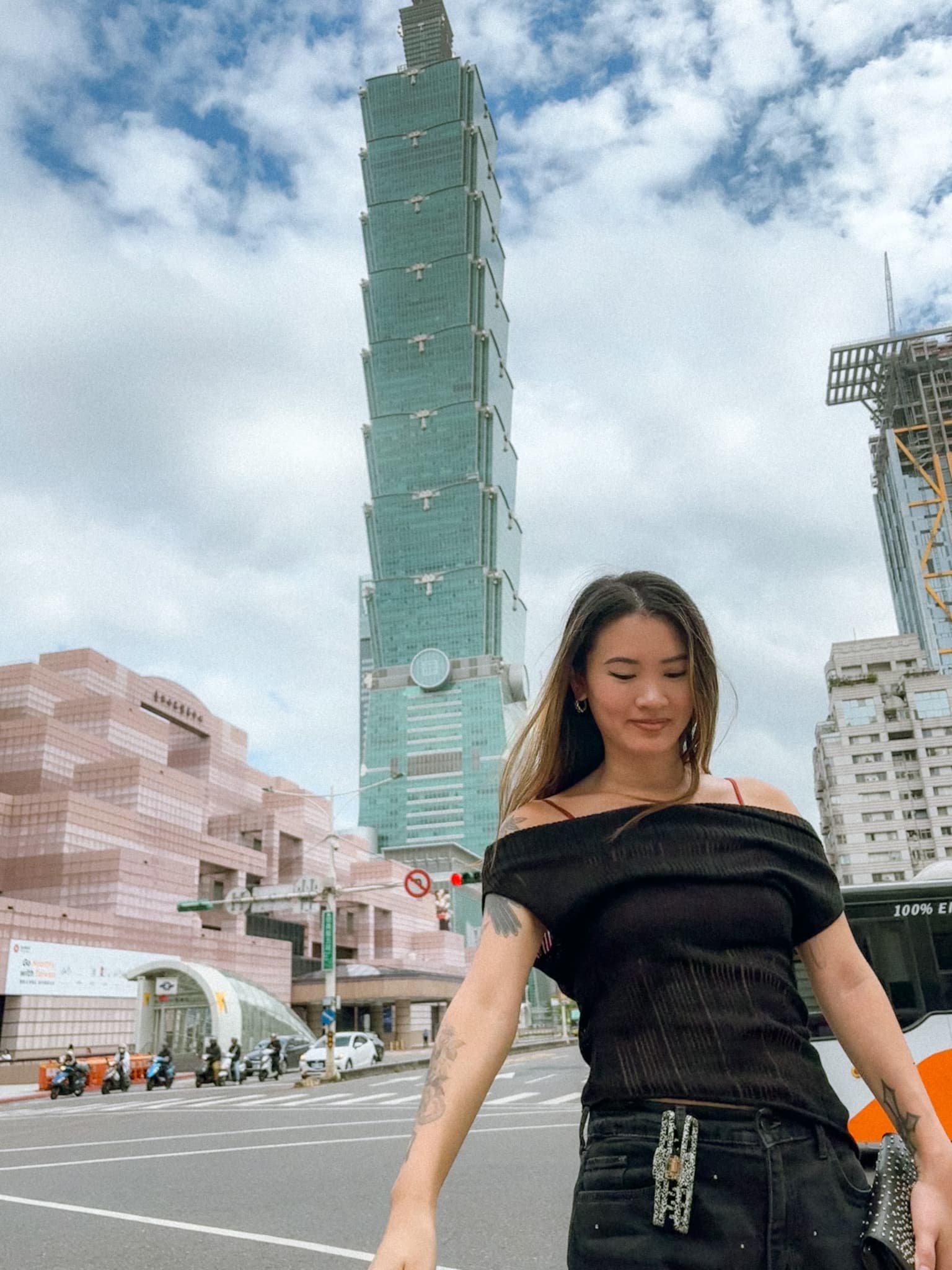
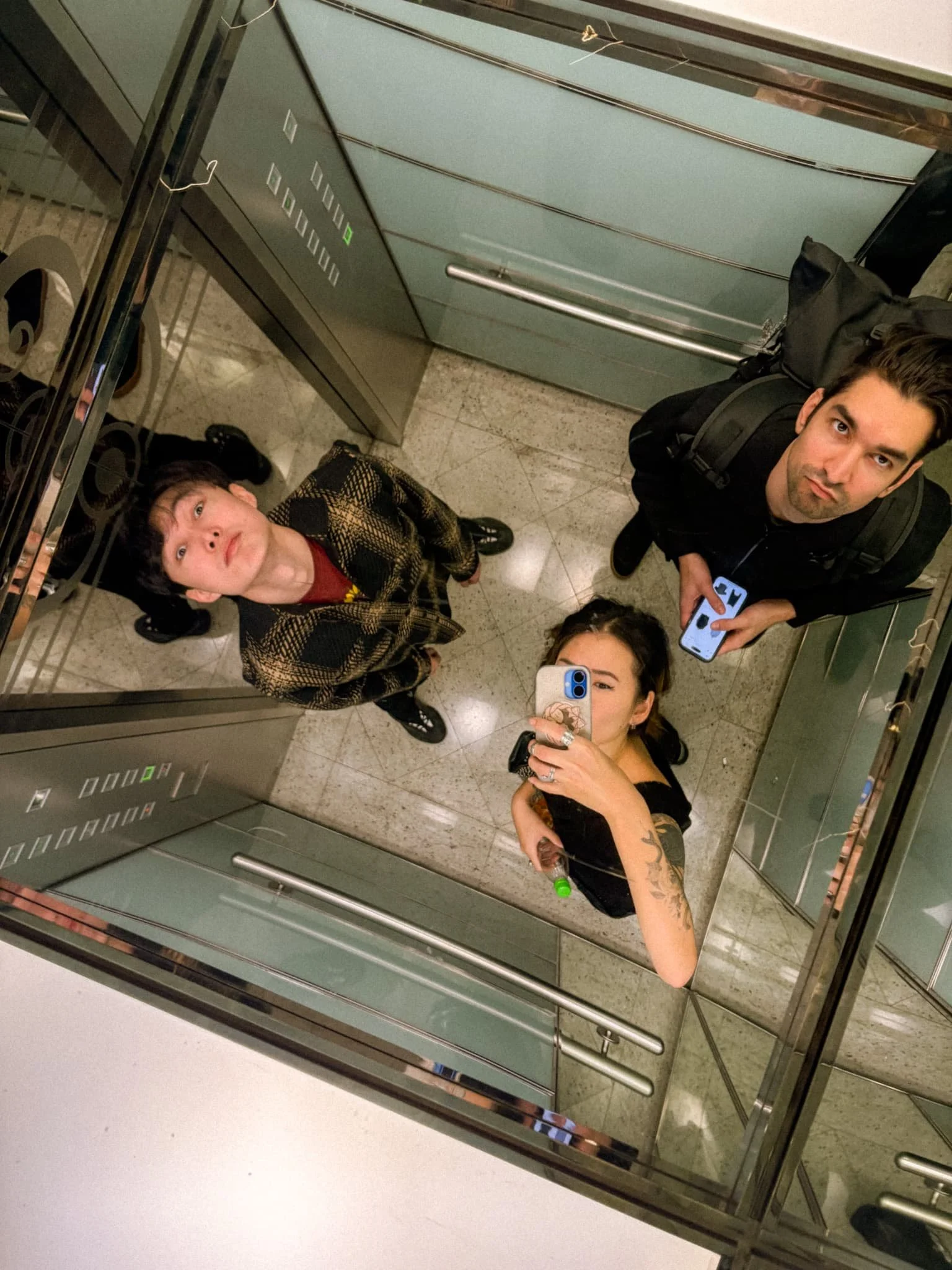
Frankly, this is just the start, because Taiwanese etiquette runs deep! But the best way to learn is to embrace the local culture, chat with locals, and stay curious. Taiwanese people are incredibly warm, and a little respect goes a long way.
Now that you know how to navigate Taiwan like a local, here's every spot I keep going back to, mapped out and ready for your phone.
Taiwan Travel Vlog
DISCOVER MORE


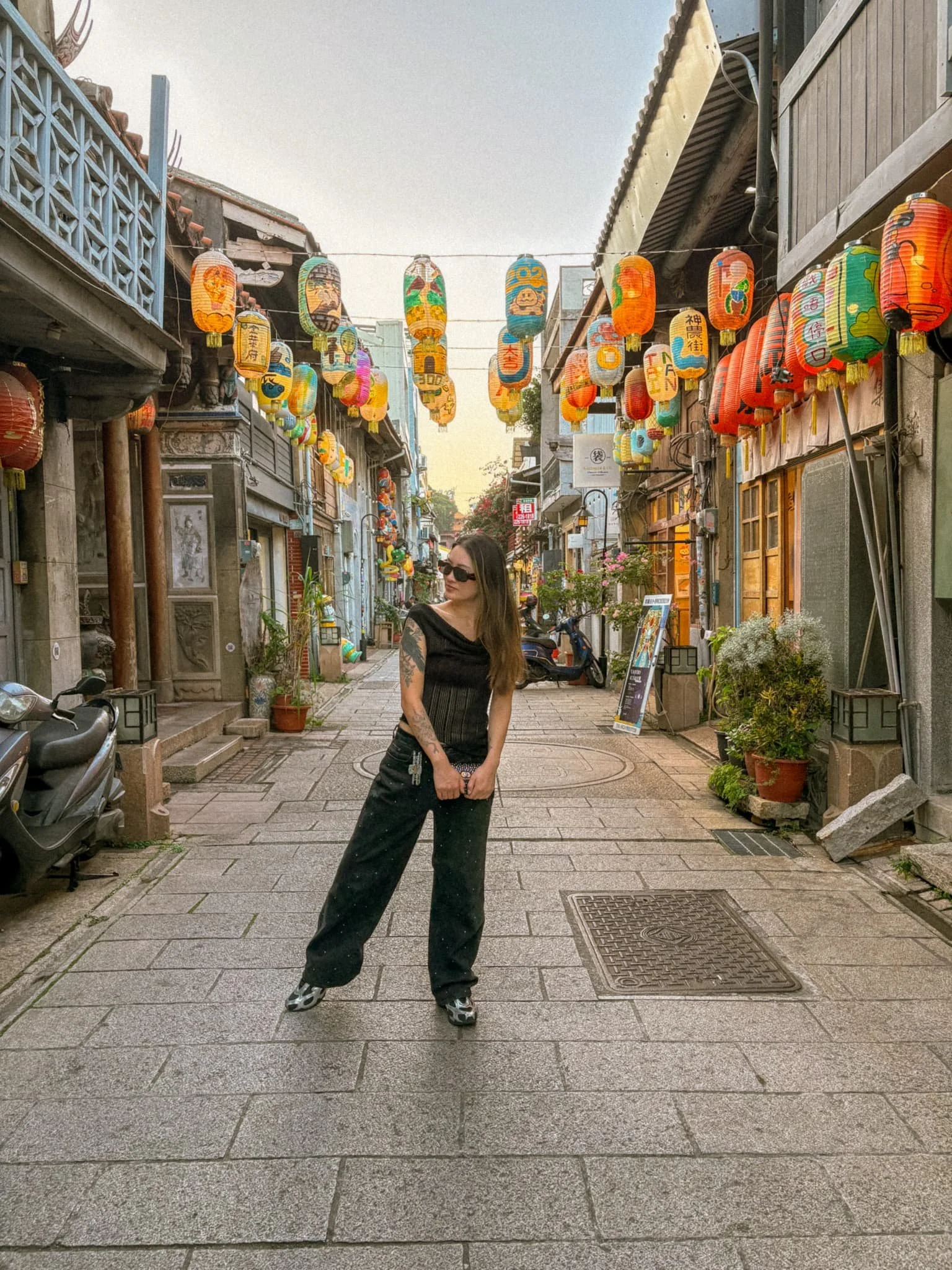
Last Updated: 09.29.2026
This southern Taiwan harbor city mixes night markets, waterfront views, indie art vibes, and amazing local eats. If you’re planning a visit, this guide covers what to do, where to eat, and how to get around without the stress.